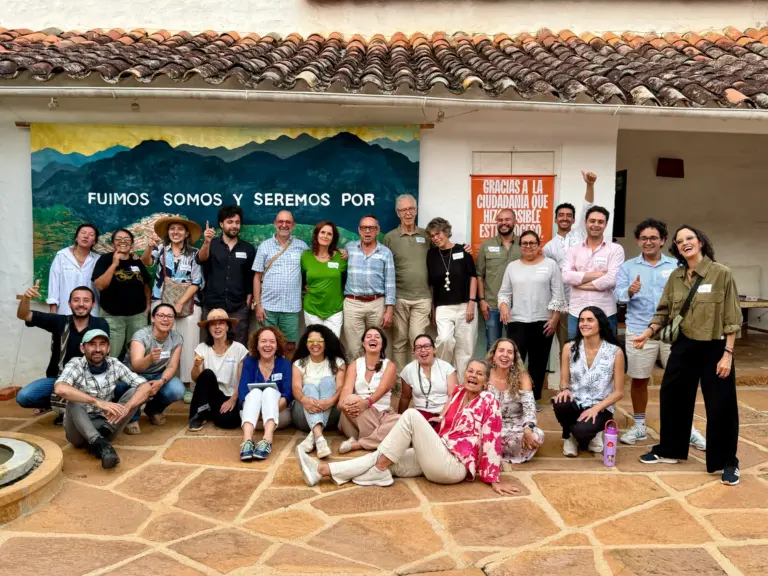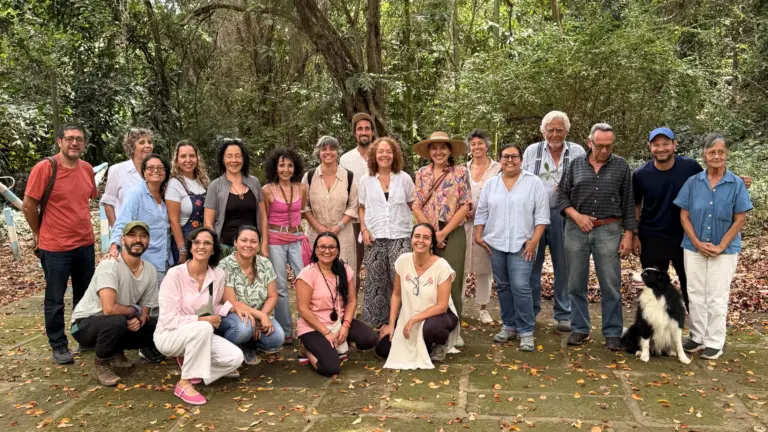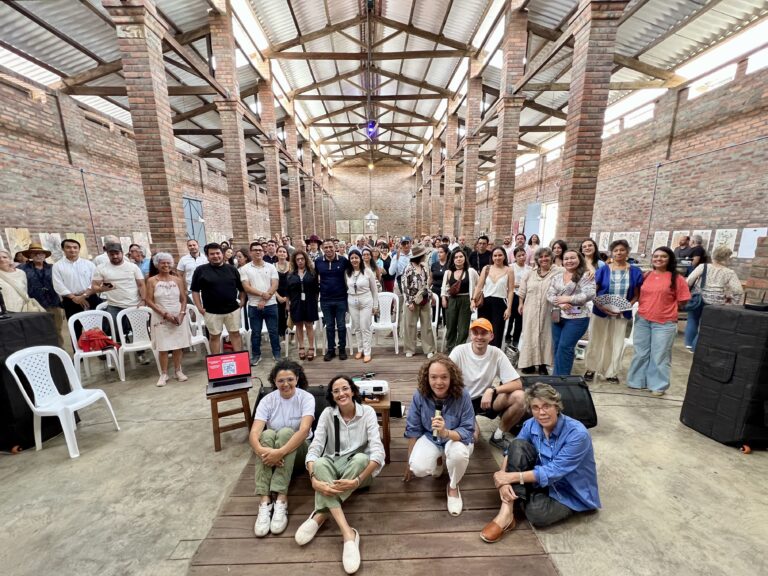

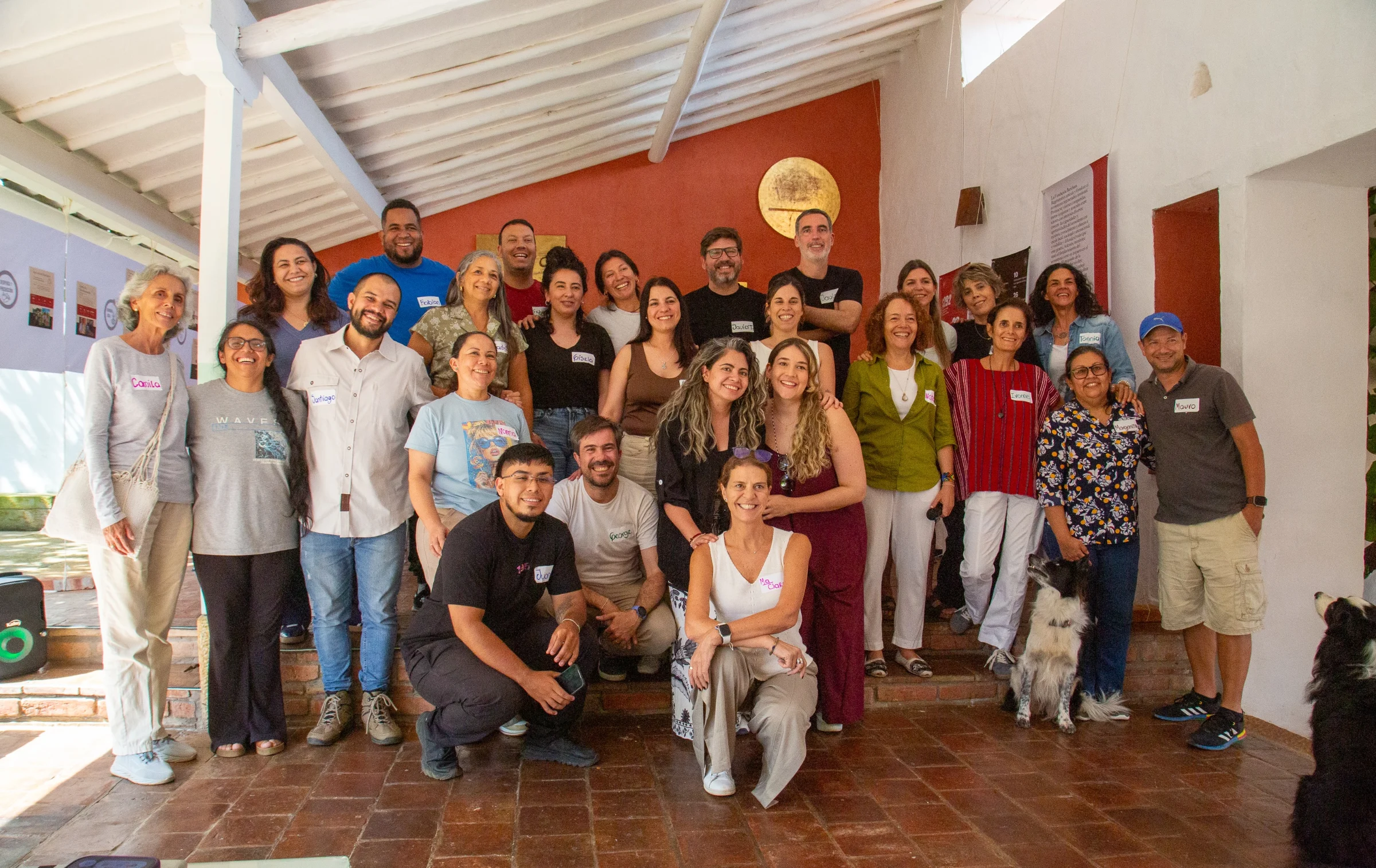
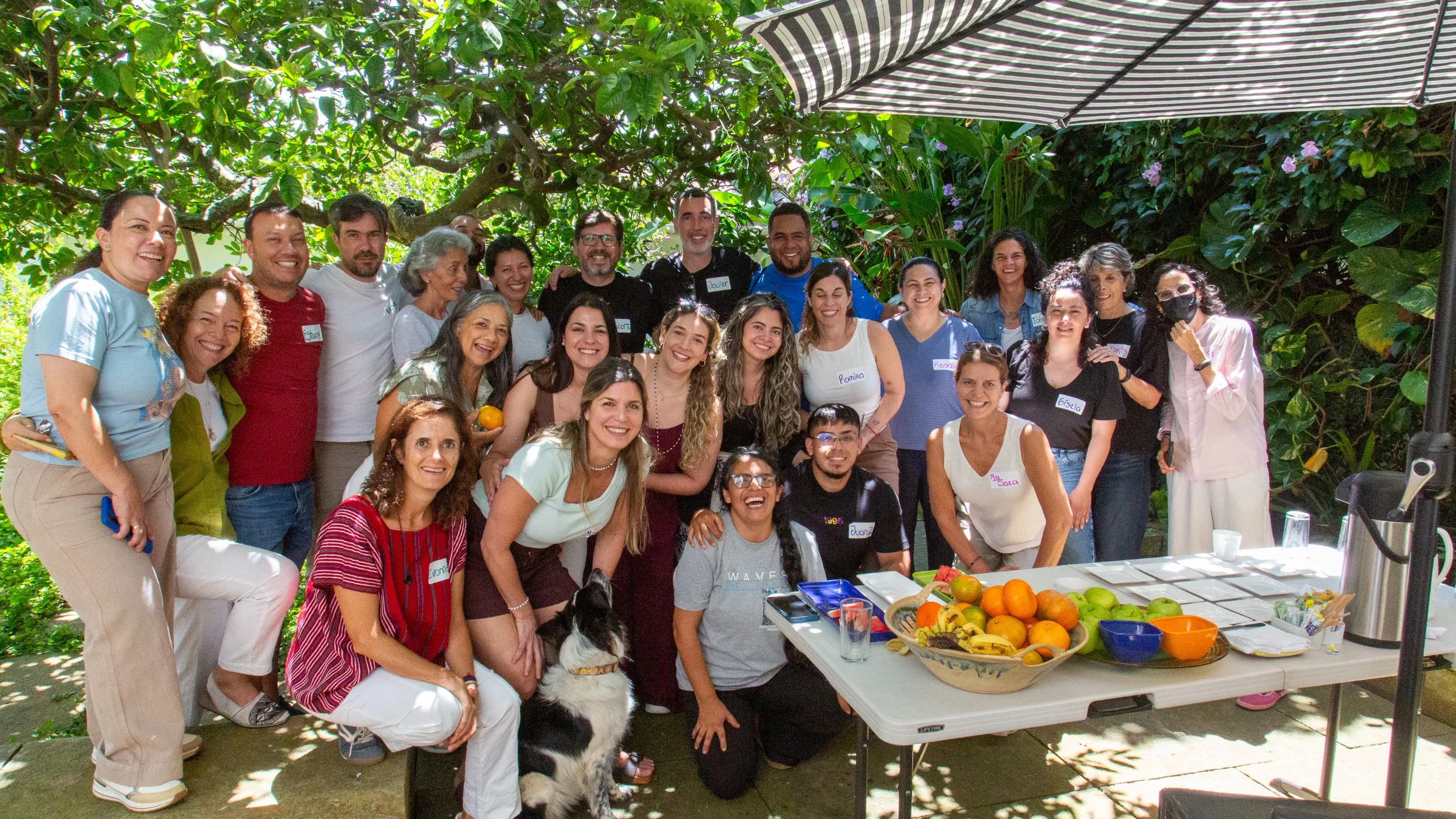
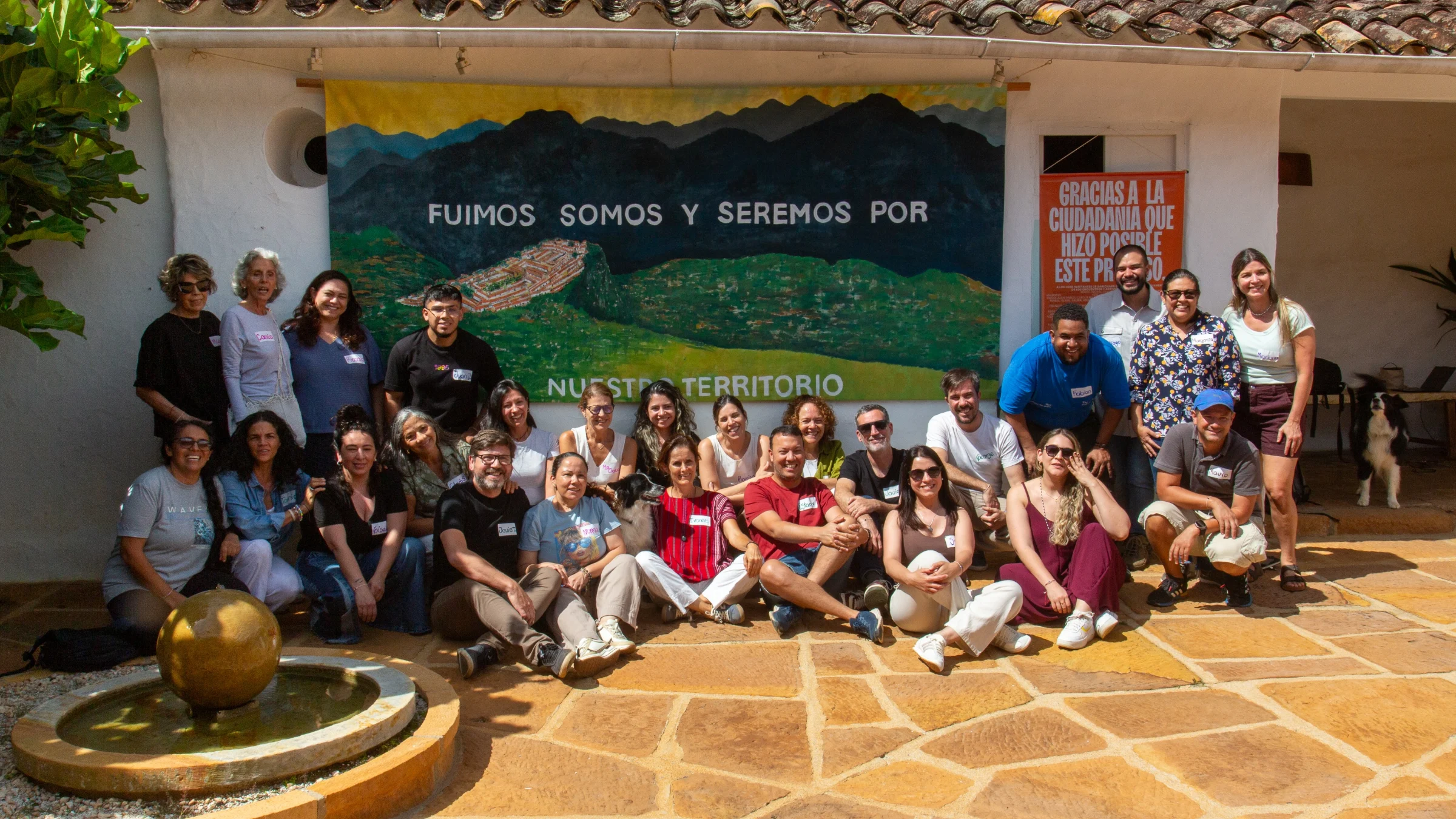
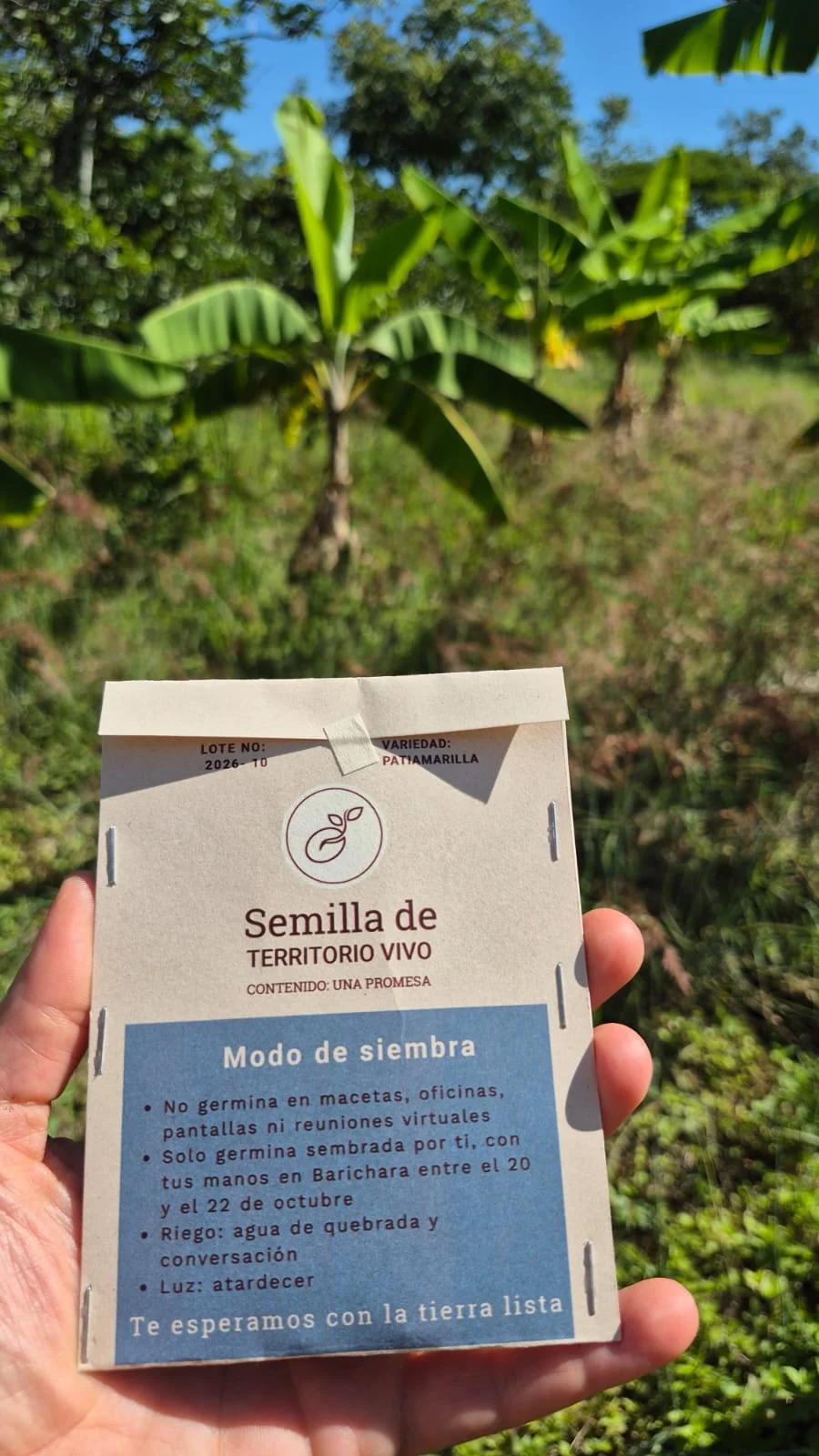
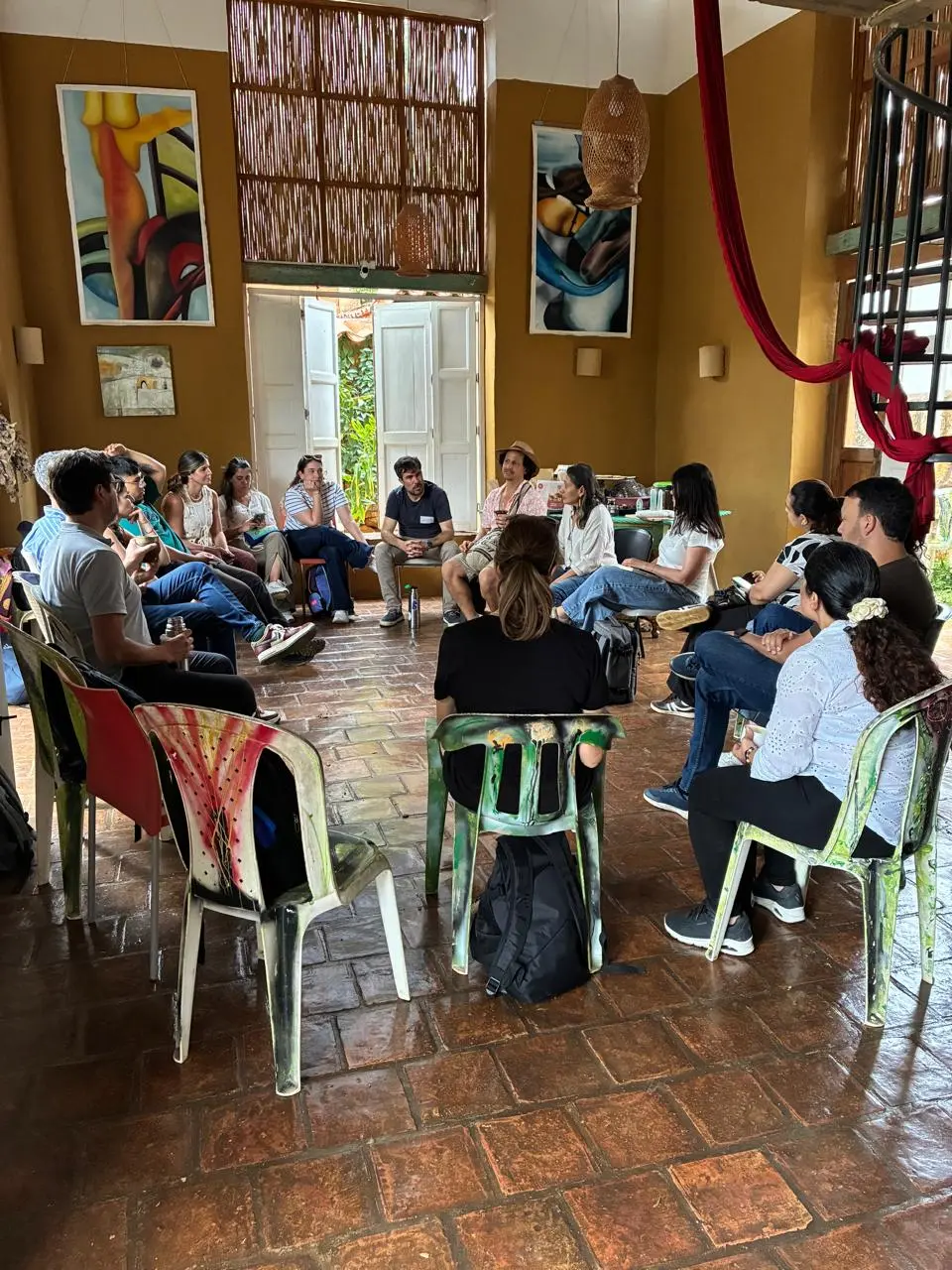
To learn firsthand how a local foundation promotes community philanthropy, organizations from Argentina, Brazil, Canada, and Colombia traveled to Barichara. From October 20th to 22nd, they participated in Territorio Vivo, the event organized by the Barichara Regenerativa Foundation.
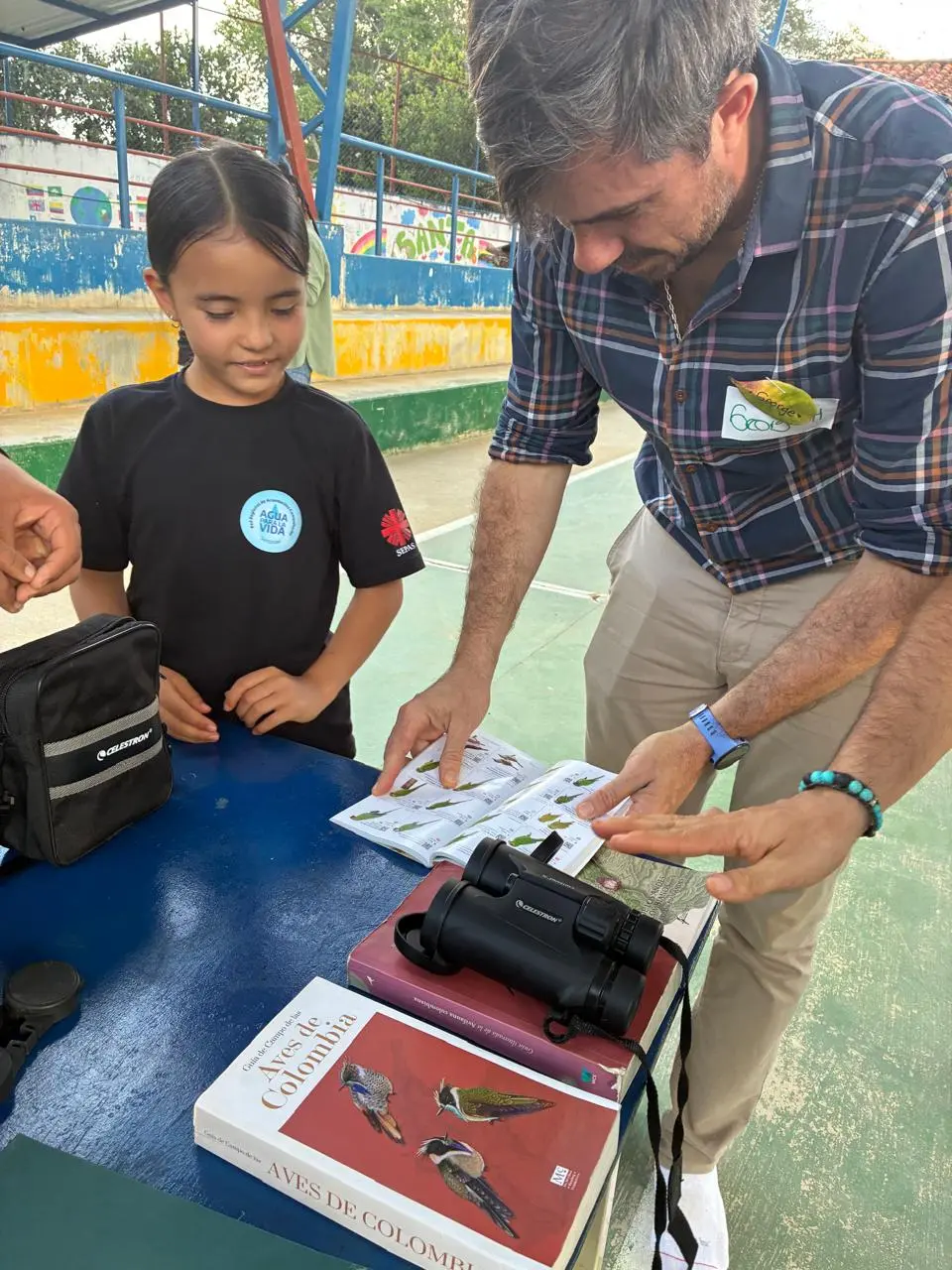
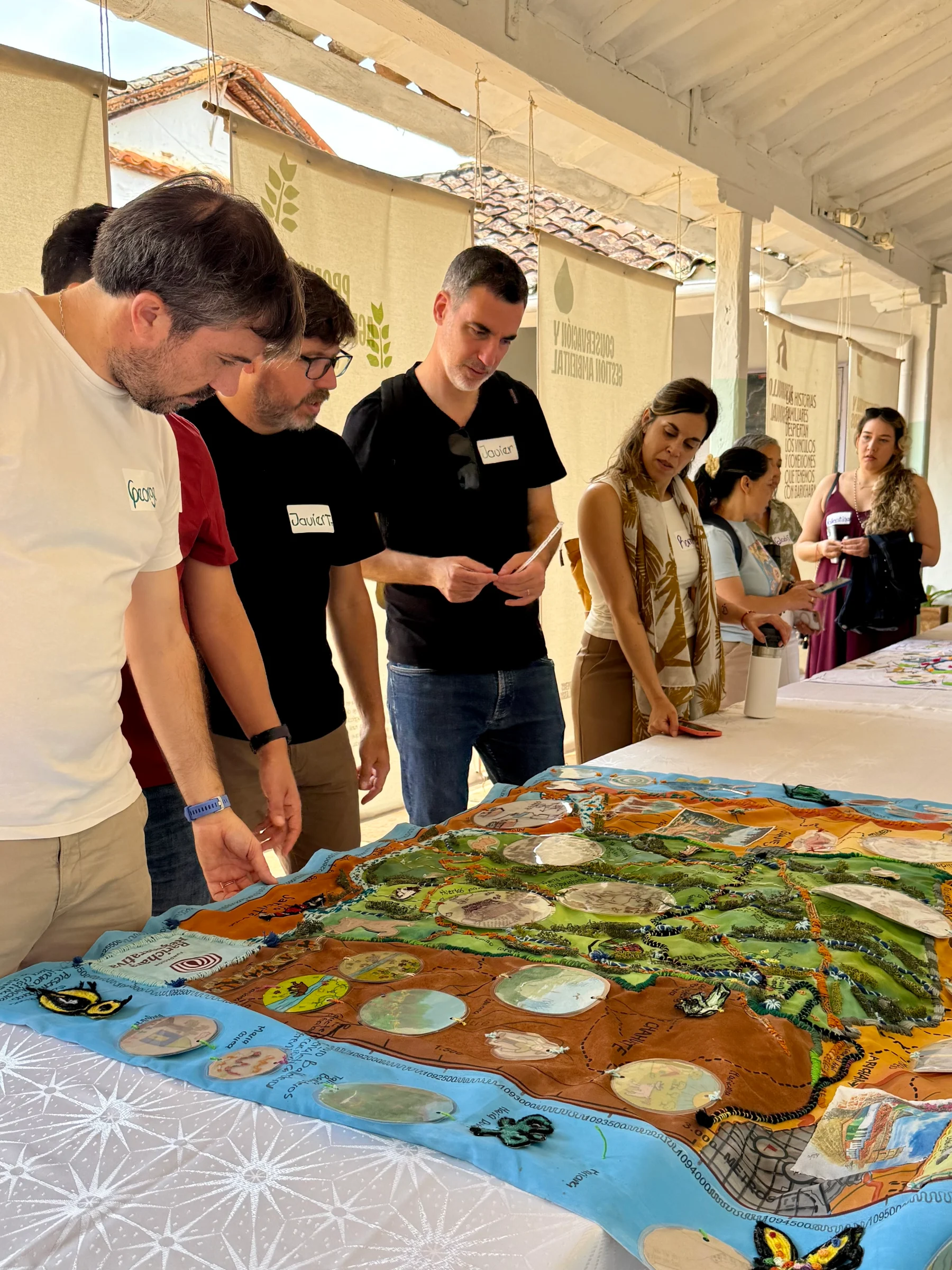
We were joined from Argentina by the Public-Private LAB, the Group of Foundations and Companies (GDFE), and advocacy groups from Salta, Bahía Blanca, San Martín, and Mendoza. From Brazil came the Institute for the Development of Social Investment (IDIS), and from Colombia, the Yumbeño Citizen Collective, Smurfit Westrock, and TerritoriA, as well as CUSO International. They came to learn about the experience of Barichara, home to the second territorial foundation established in Colombia and one of the longest-running. They participated in an immersive experience, based on the methodology of meaningful experiences, alongside those who care for the land every day.
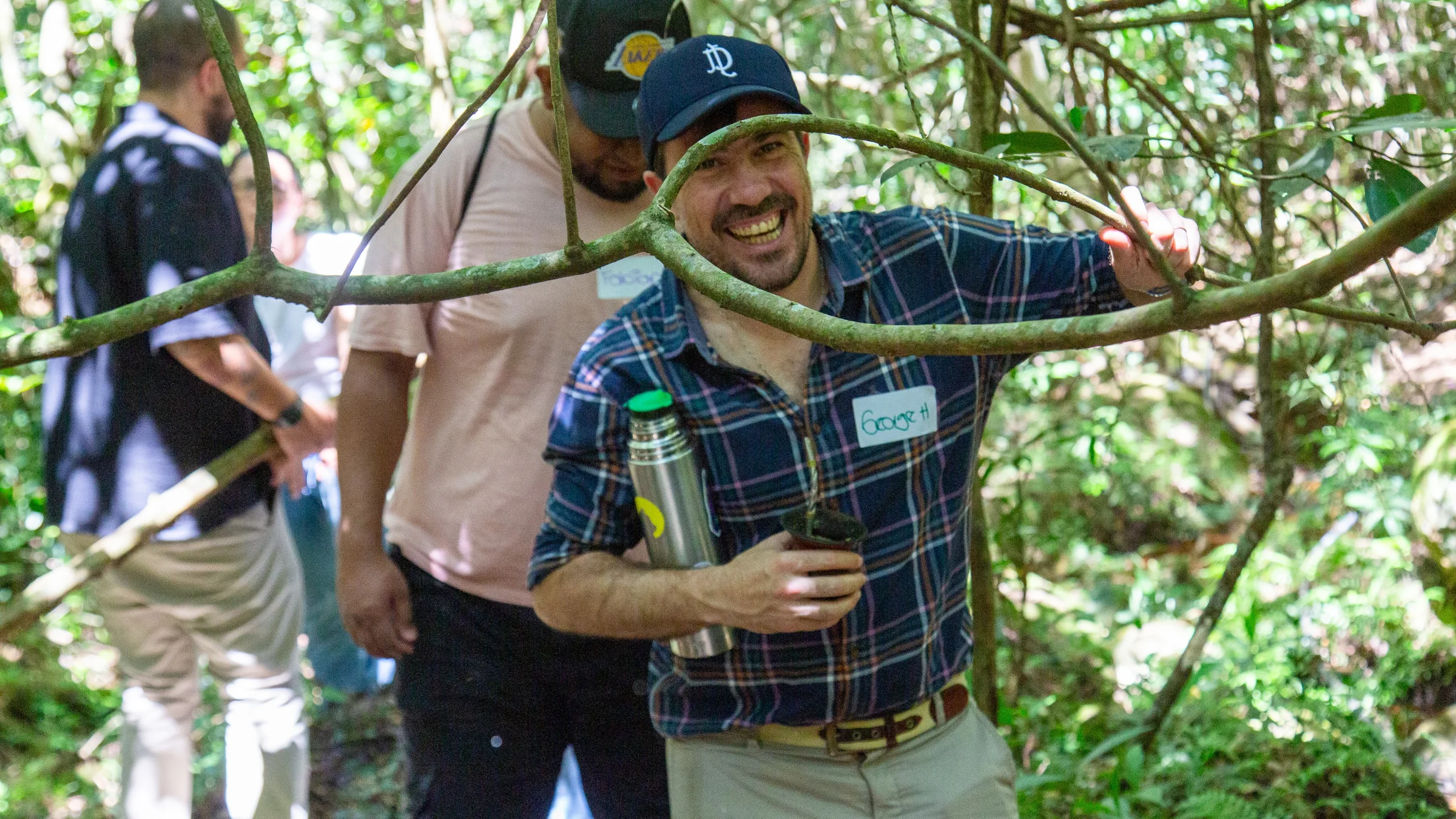
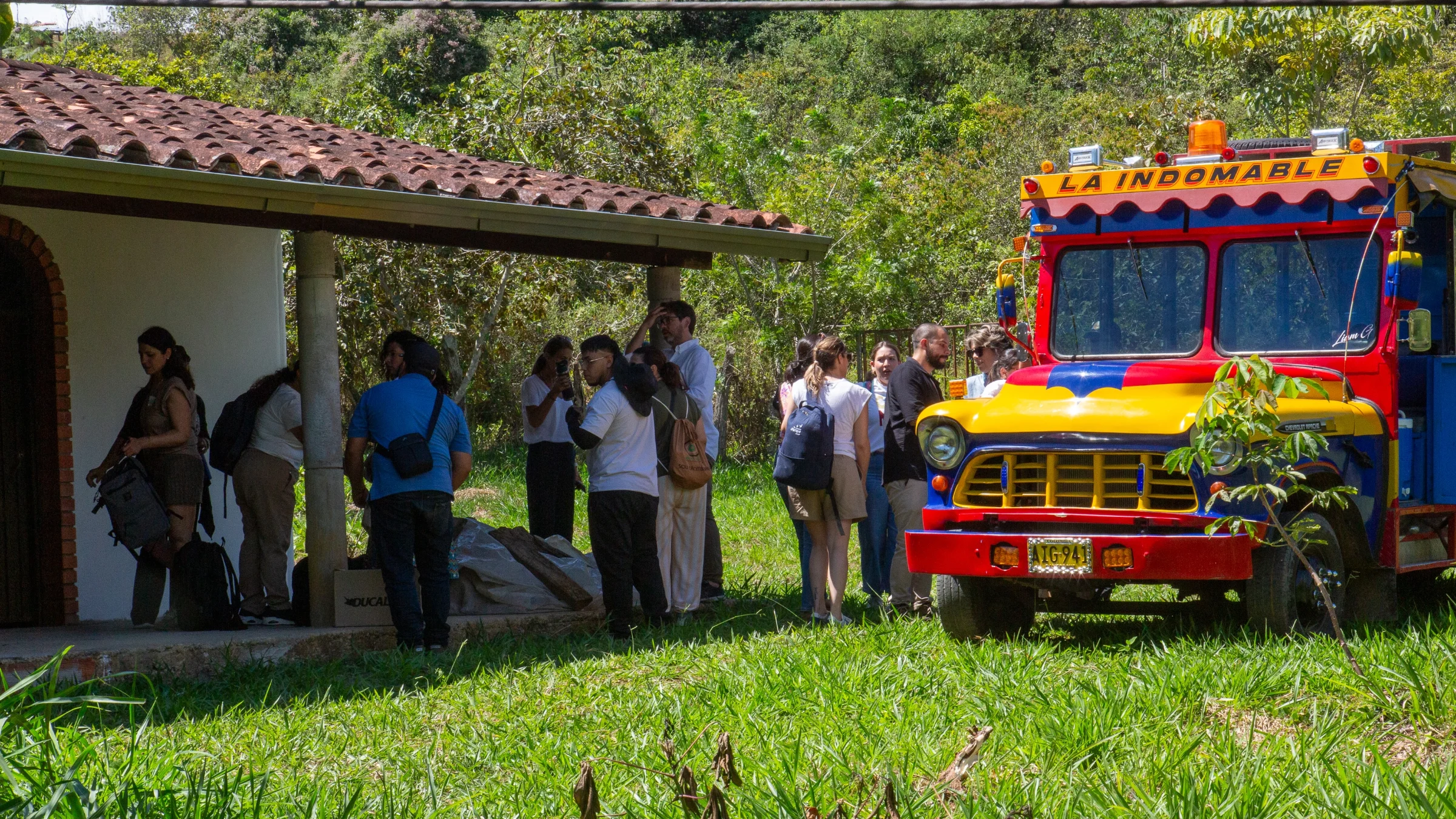
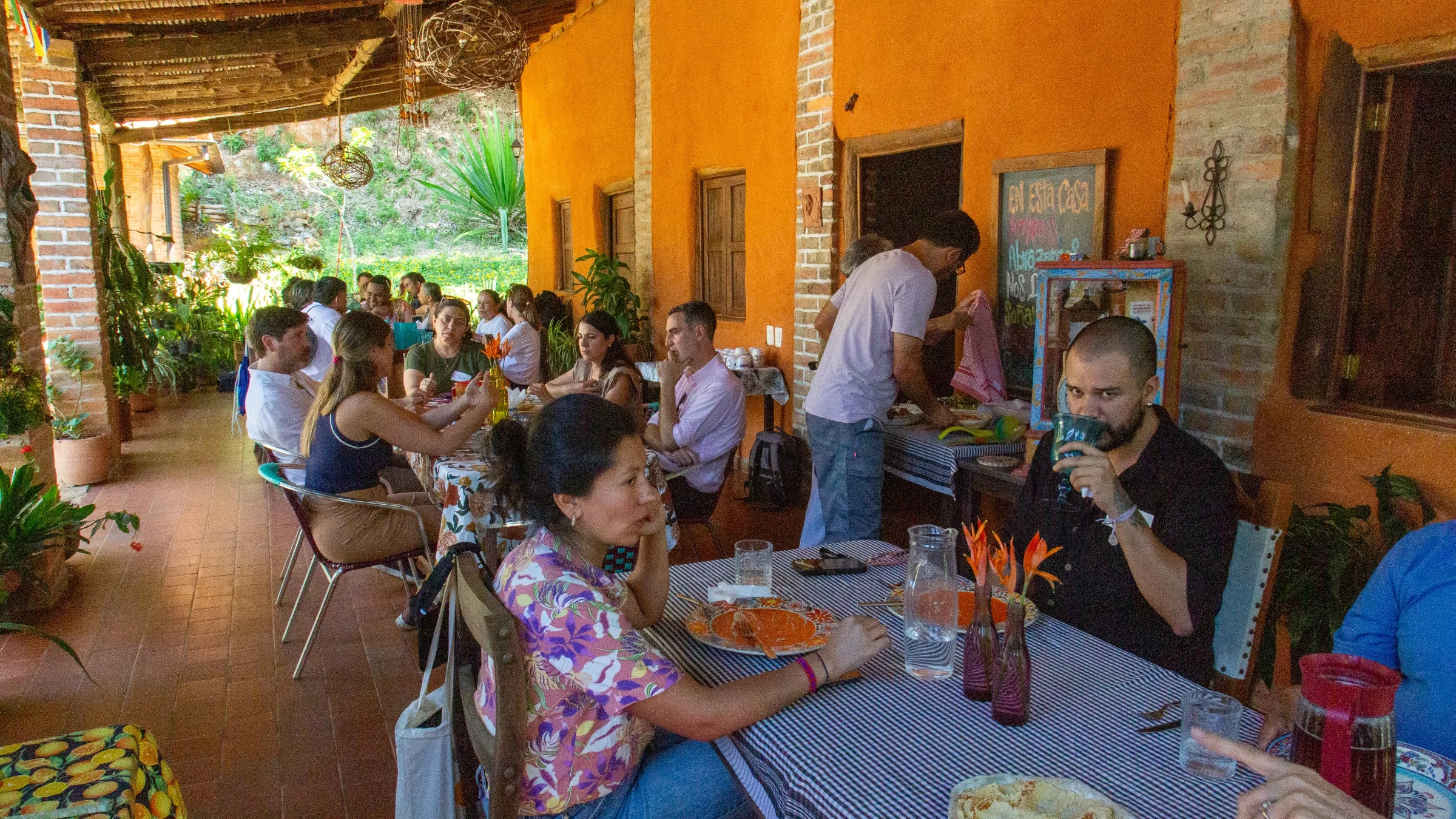
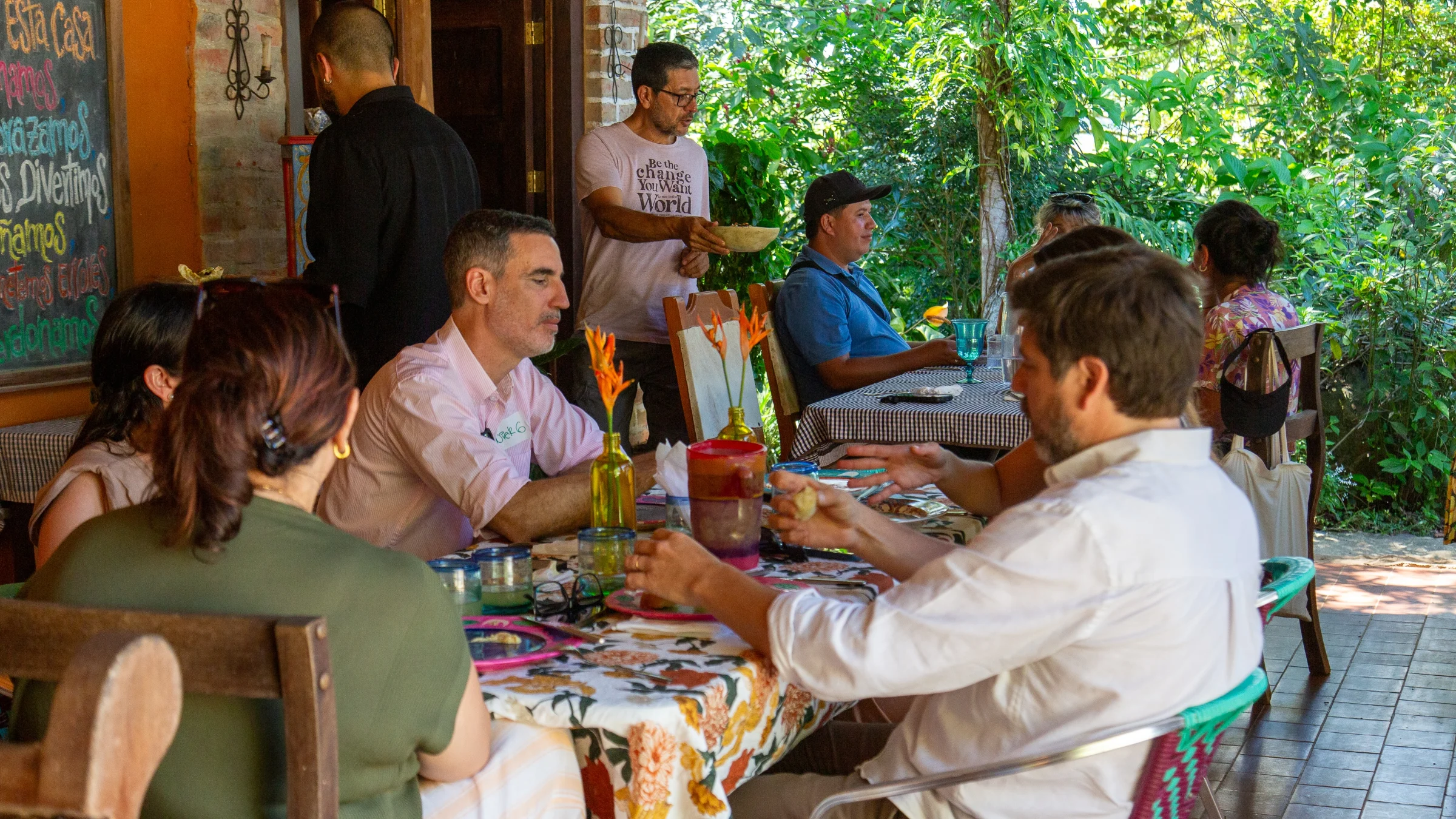
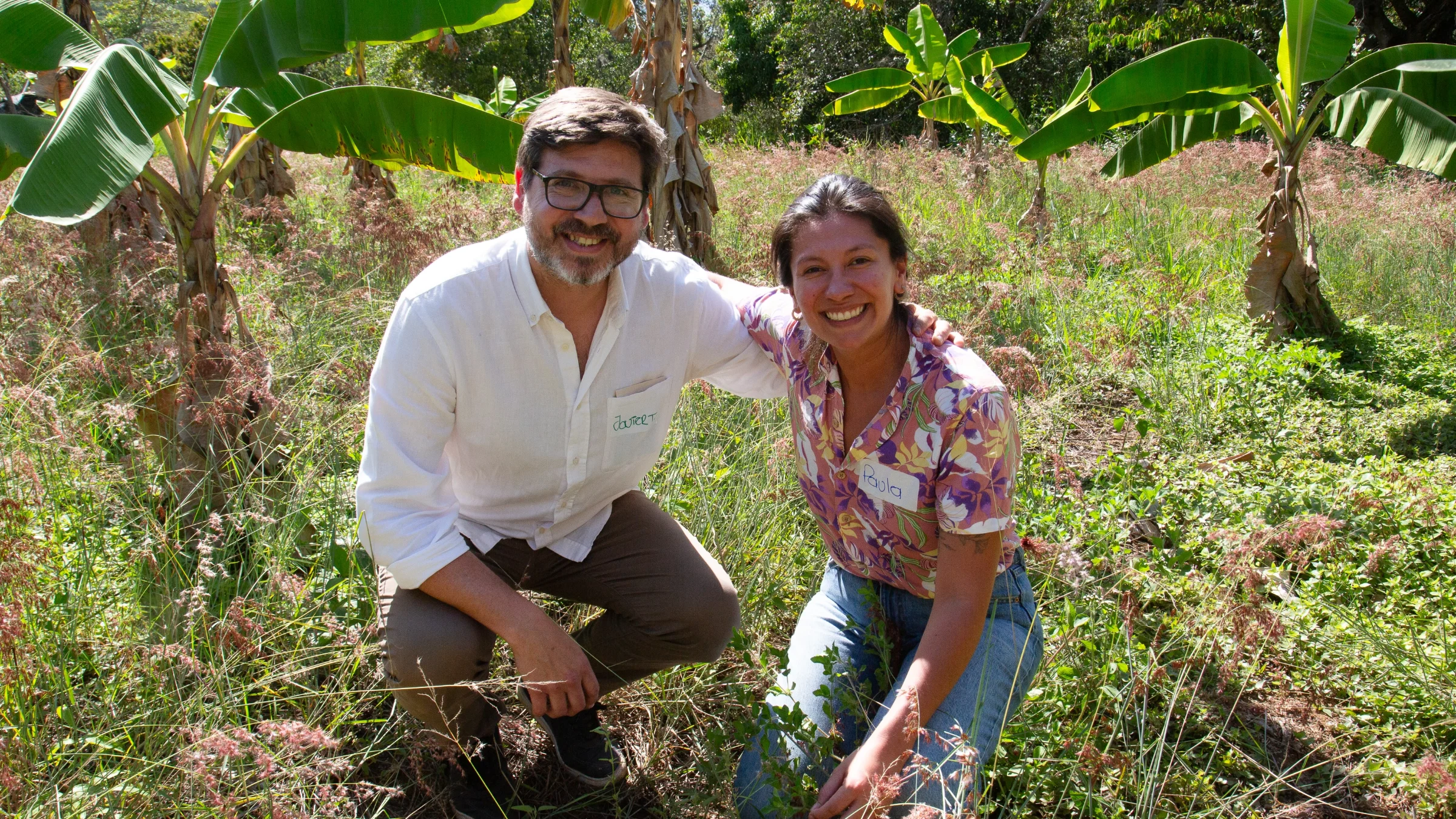
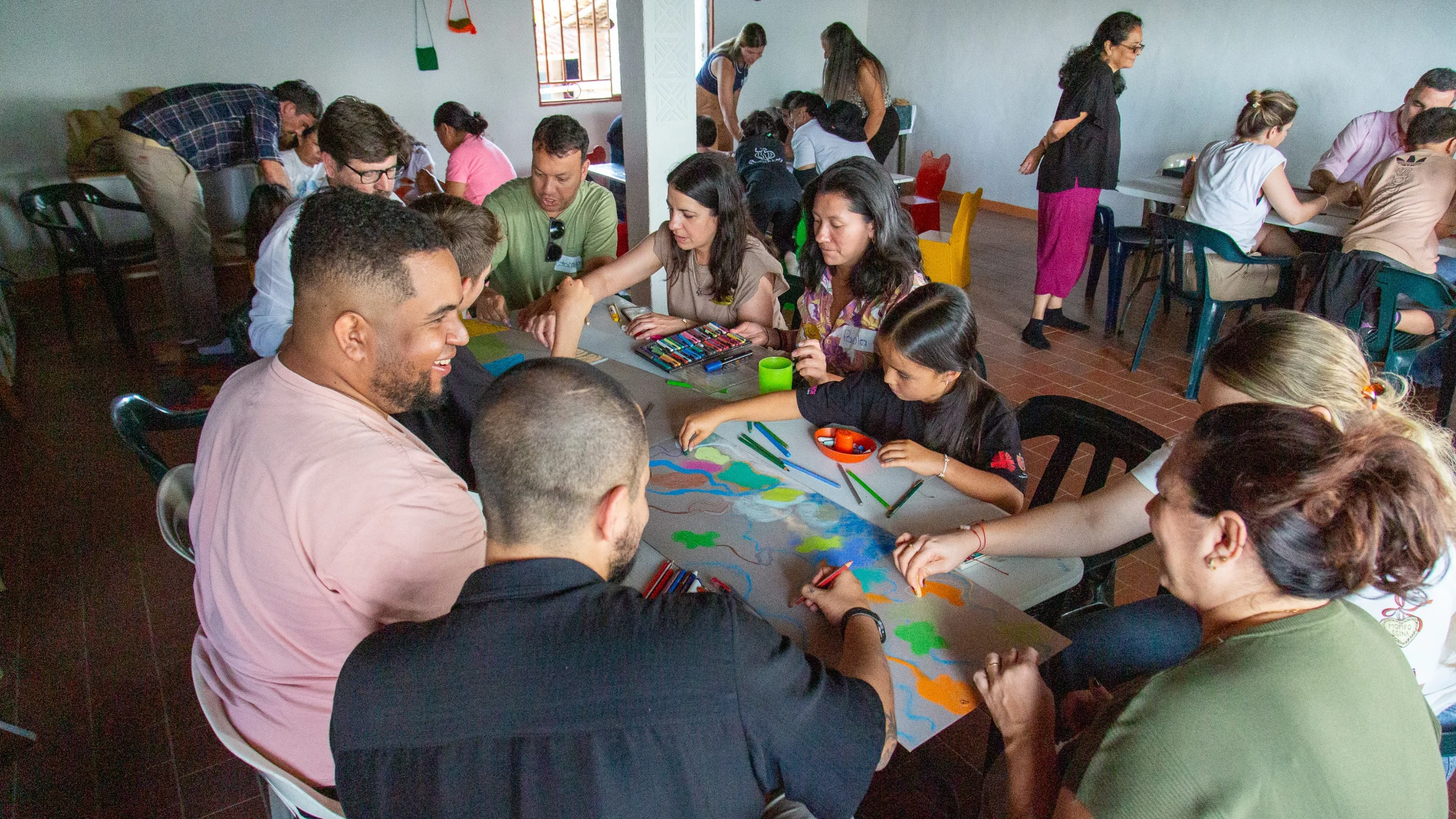
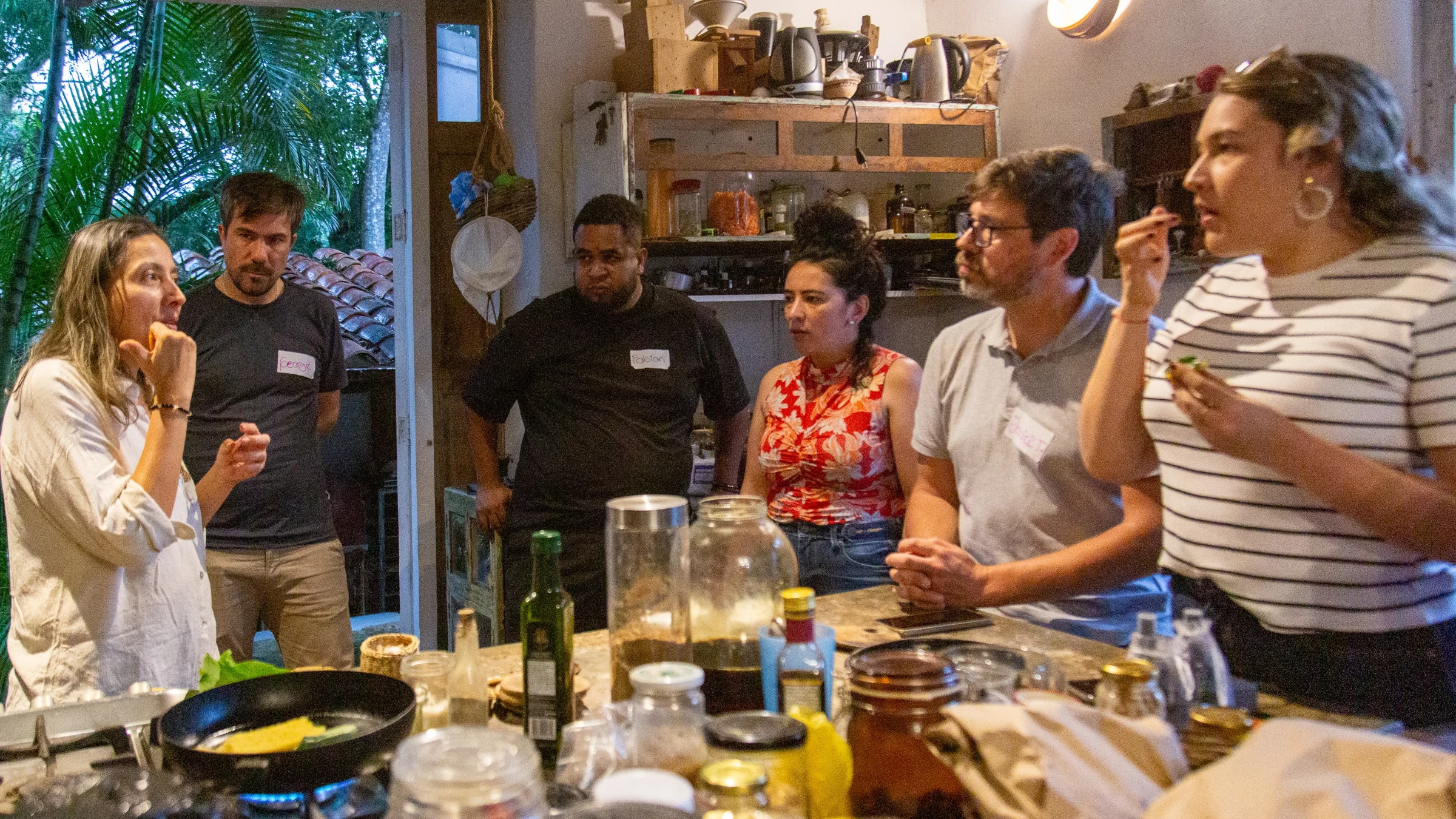
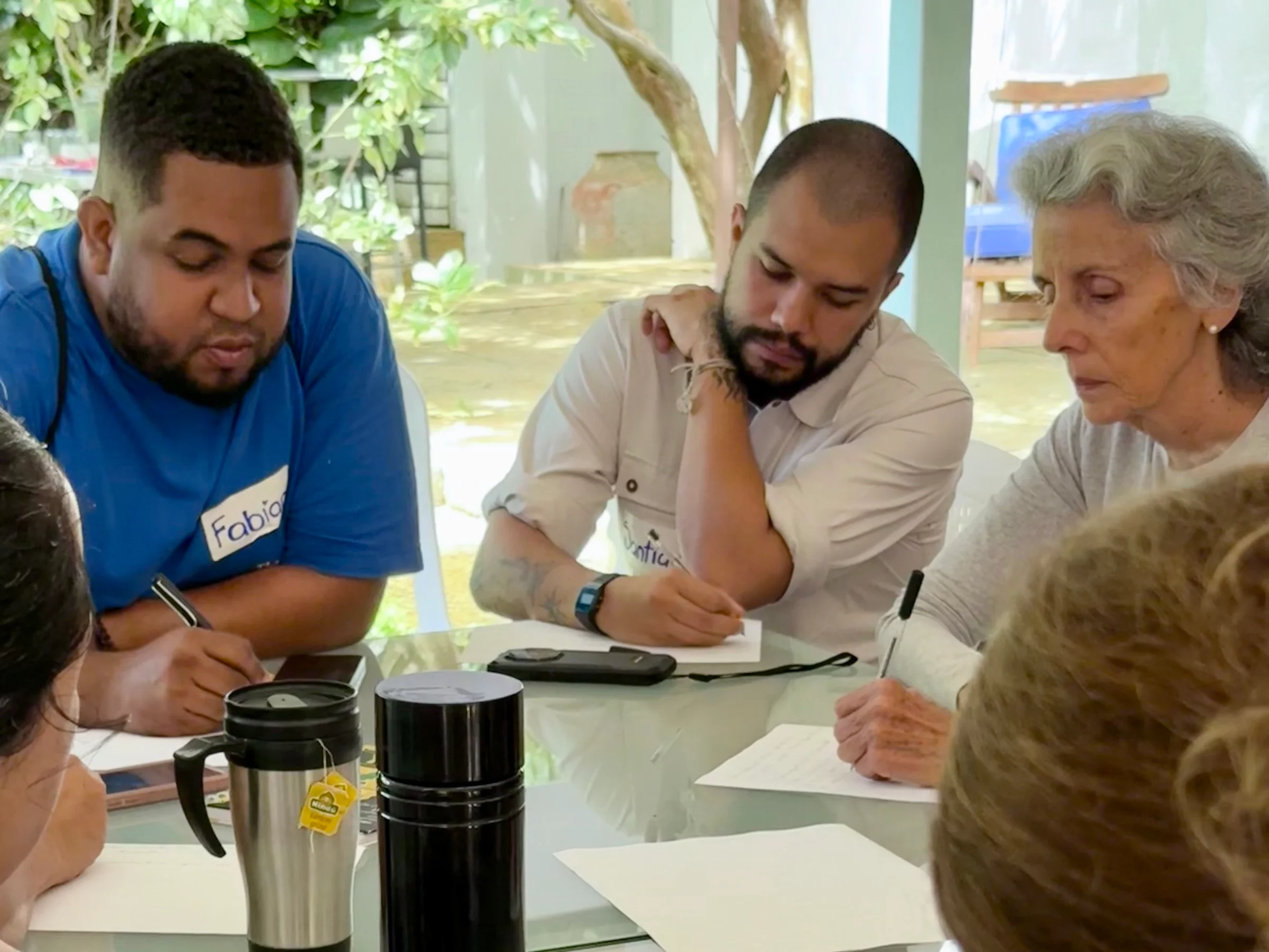
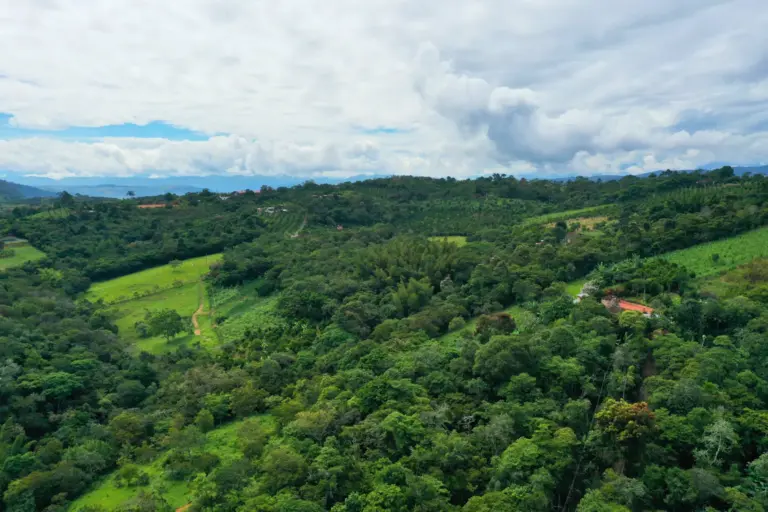
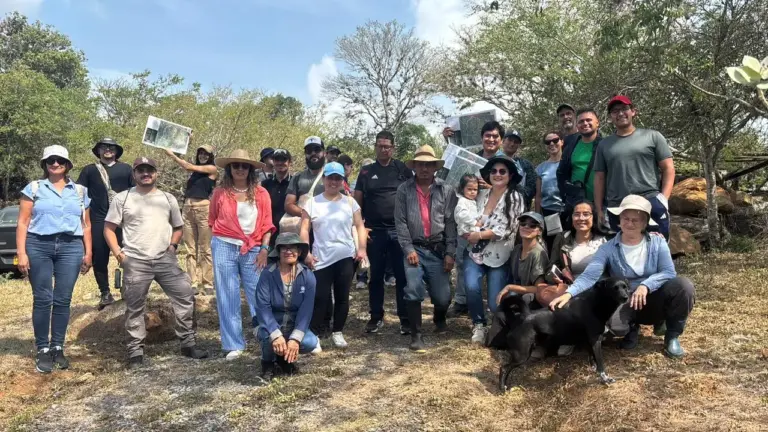
On the first day, we followed the water through the La Paramera watershed. There, the Raizagua project unites the Aguas Cristalinas Community Aqueduct, the Seed Hunters led by Professor Mariana Urrea, and the community action boards to work together to care for the water cycle. We shared a meal with Mauricio and Jenny at the Santa Rita Farm and explored the Art Route in Santa Elena.
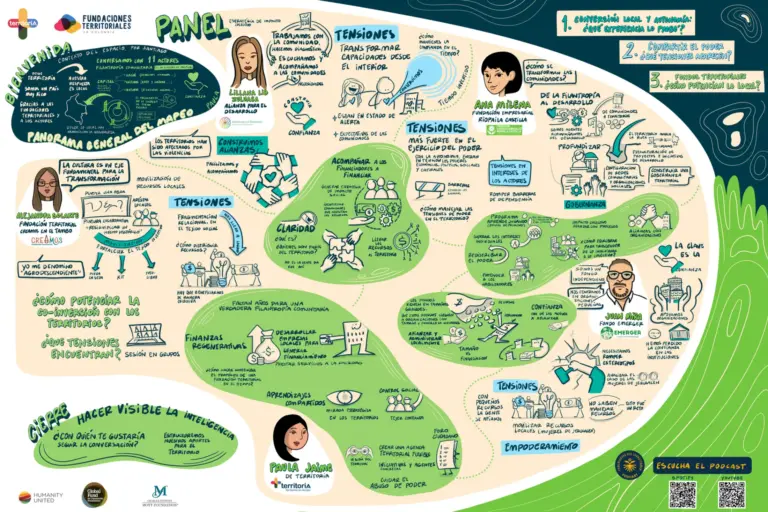
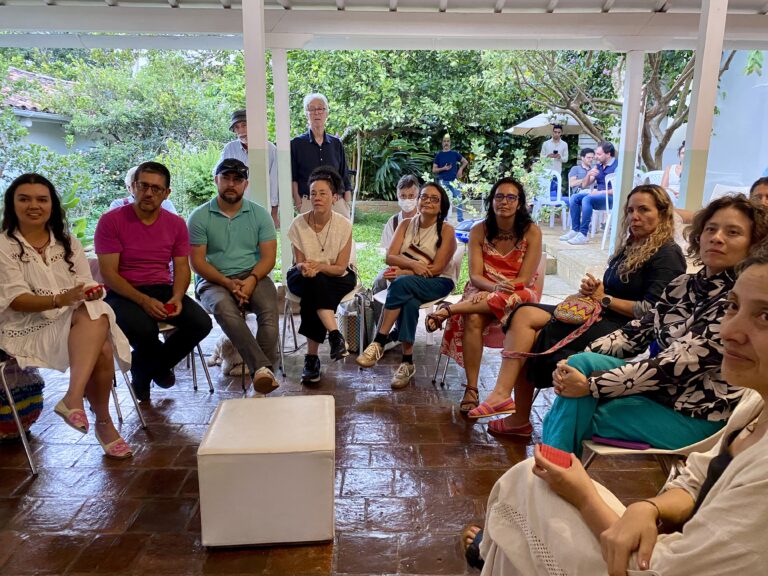
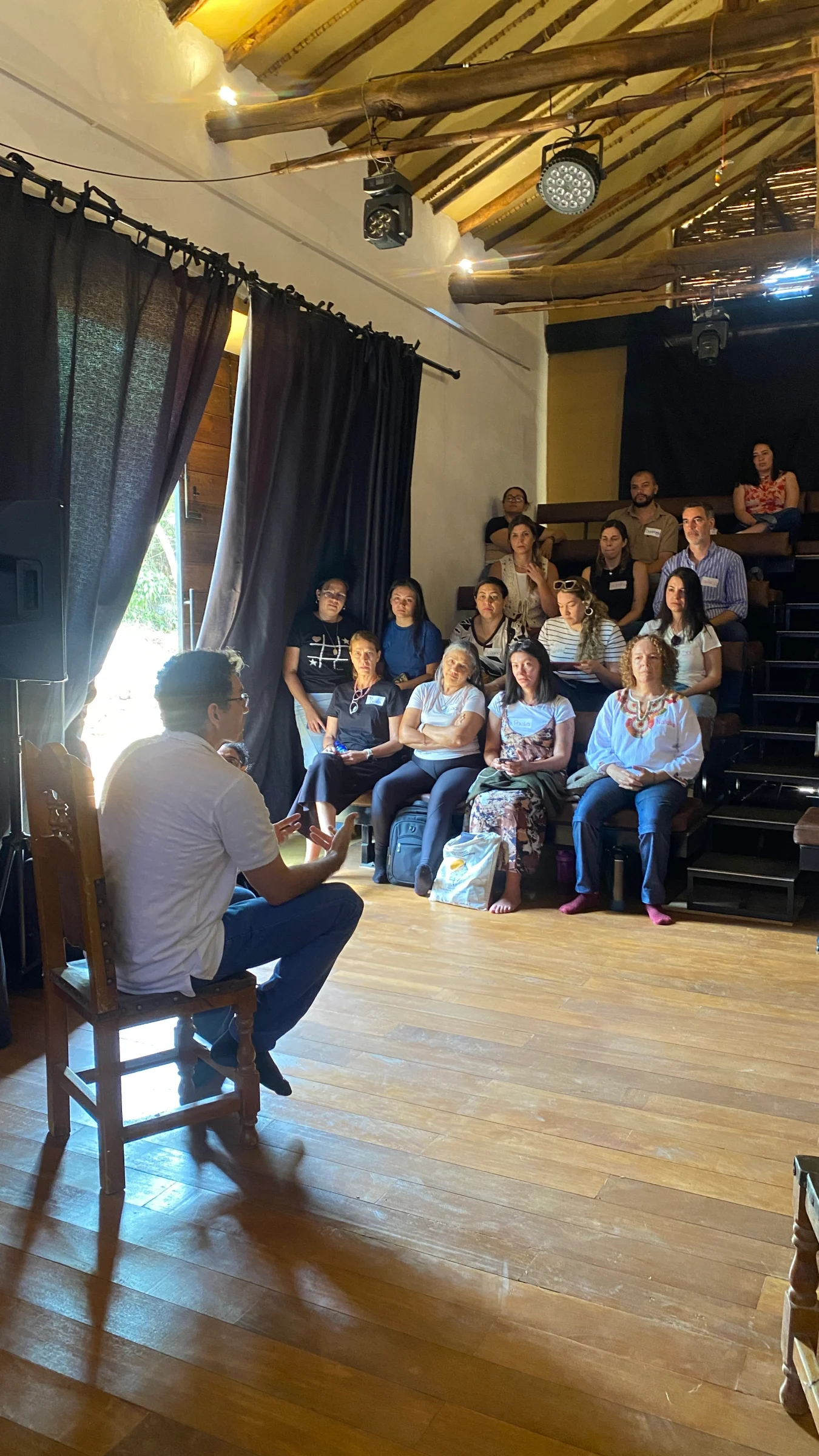
On the second day, we discussed Barichara in transition; tourism and construction are growing rapidly, gentrification is taking hold, and gaps are widening between the town and the countryside. At Caney Colibrí, the documentary work of the Ojo de Agua Cultural Foundation sparked conversations about justice. Later, Casa Común showed how social fabric and regenerative initiatives create opportunities.
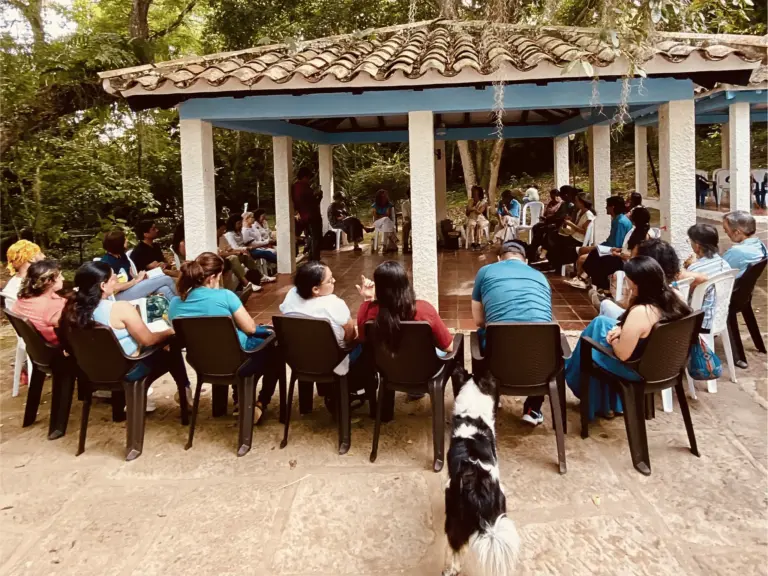
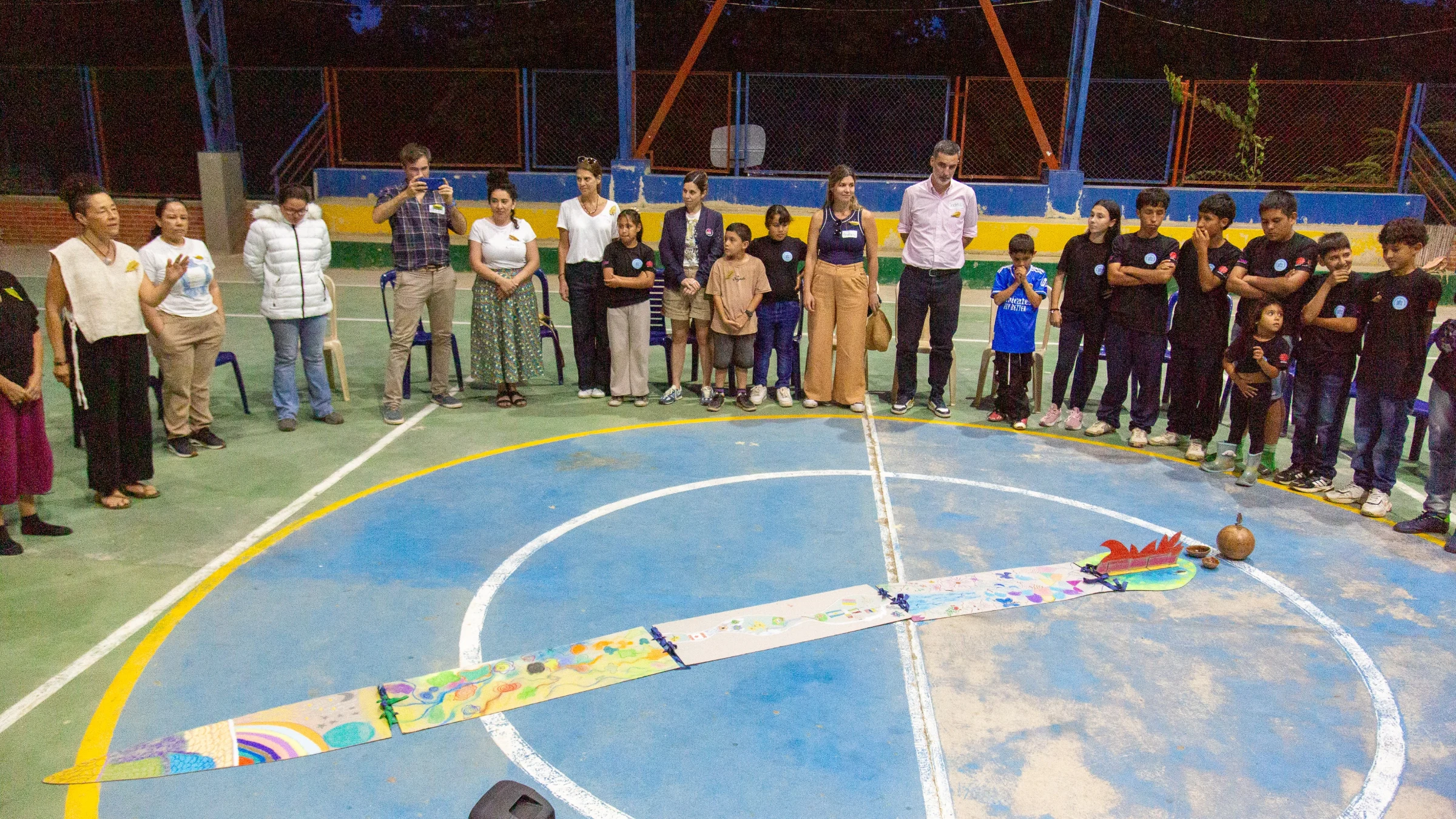
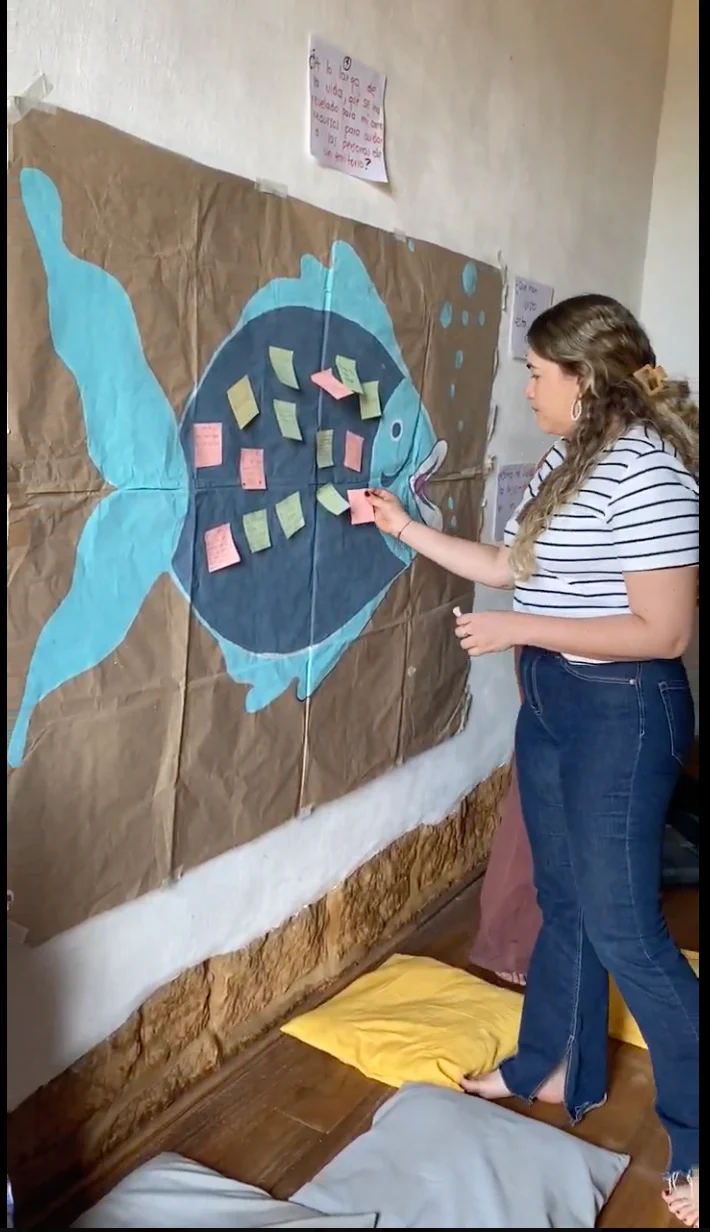
On the third day, at La Nube Posada, we connected our experiences with the Barichara 2025 Land Use Plan Citizen Forum, in which 10% of the population participated. We discussed their major challenge: the loss of nature and heritage due to construction pressures, unregulated tourism, and the sale of peasant lands. We presented the key initiatives that aim to transform this vicious cycle into a virtuous one. Afterwards, we reflected on how businesses, local foundations, and visitors can contribute.
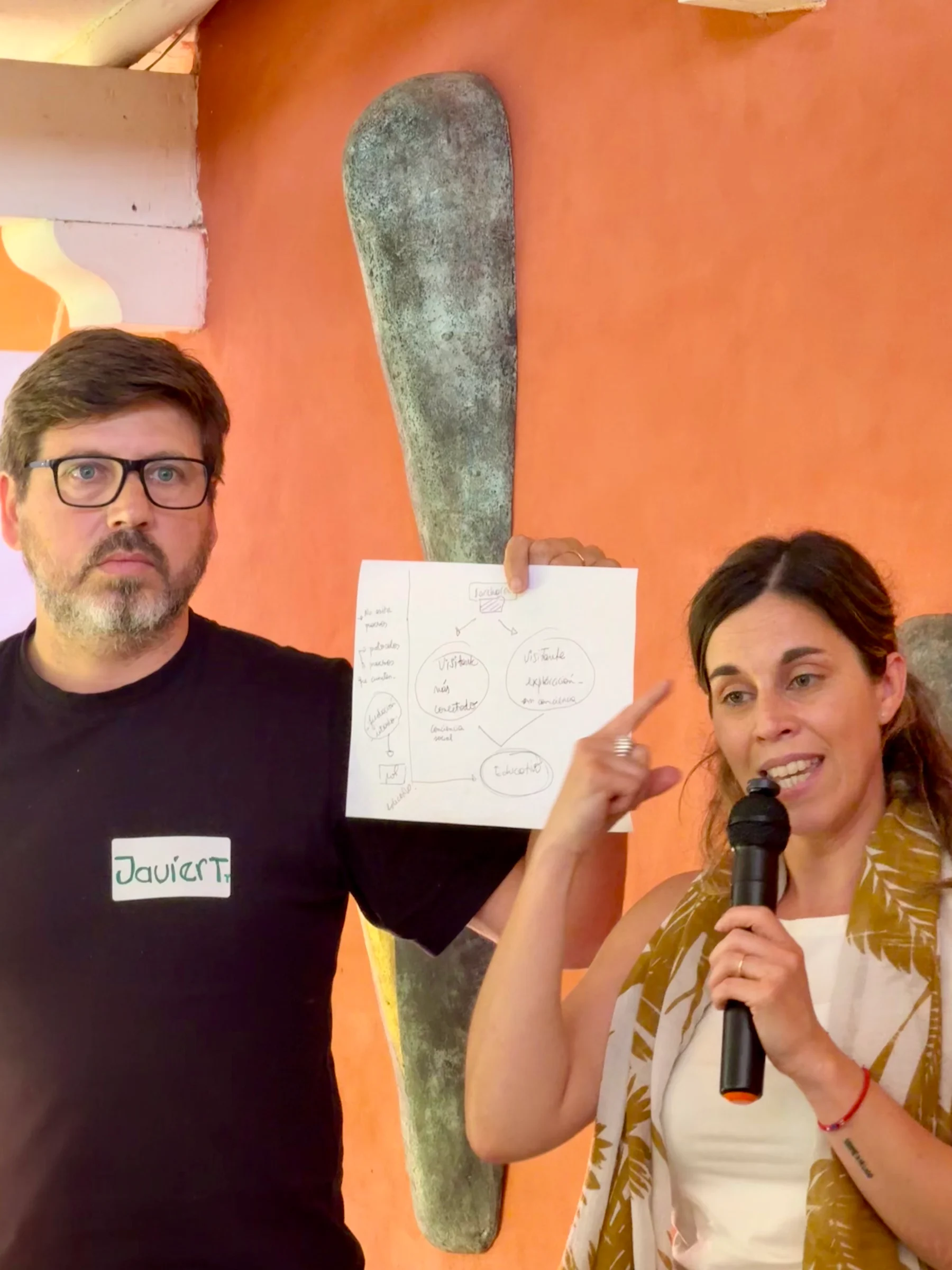
“As soon as we arrived, they told us that those who set foot on this territory become local experts. Sometimes those words sound nice at first; after a few days, they begin to make more sense,” said Javier Tarulla, executive director of the Public-Private Laboratory of Argentina.
What I've learned is already starting to spread. “I want to give back what I've been fortunate enough to learn this week in Barichara so I can share it and explain it to the other communities and foundations I work with, so we can learn from each other,” said María Clara de Brigard of CUSO International.
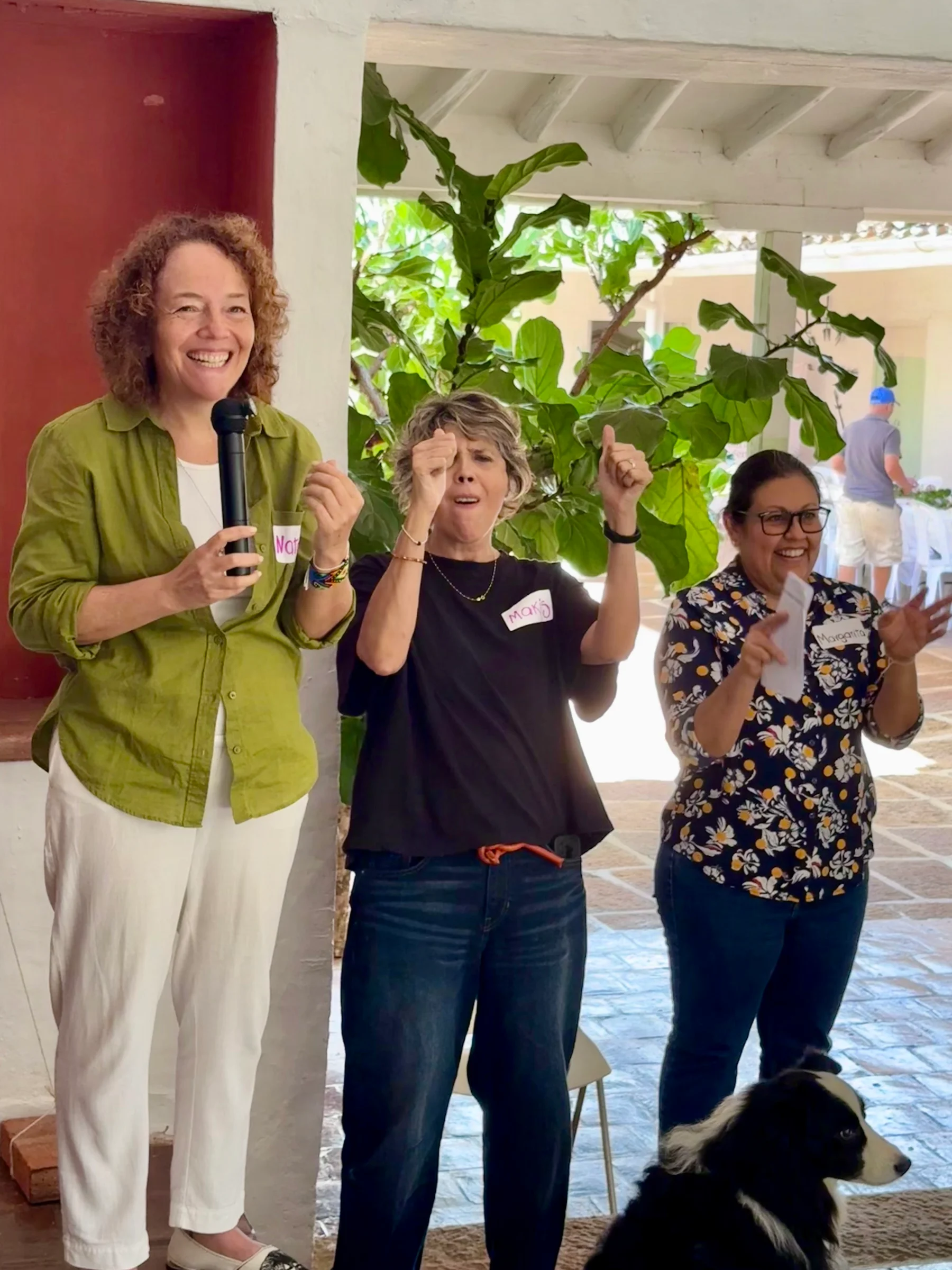
We left with new friends and the certainty that regeneration is woven through networks. Thank you to every visitor for coming and to every host for opening their home to us.