

A meeting to rethink the financing of change
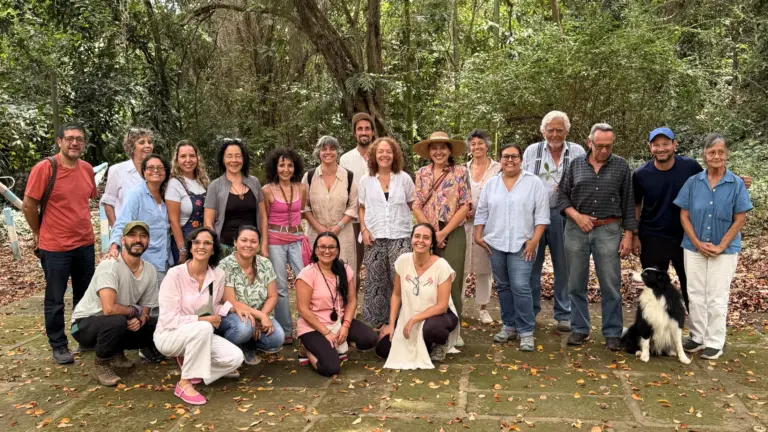
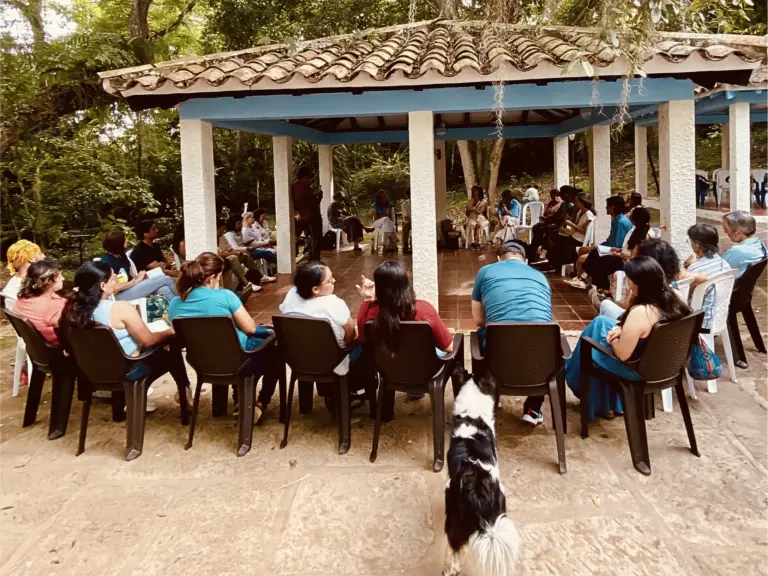
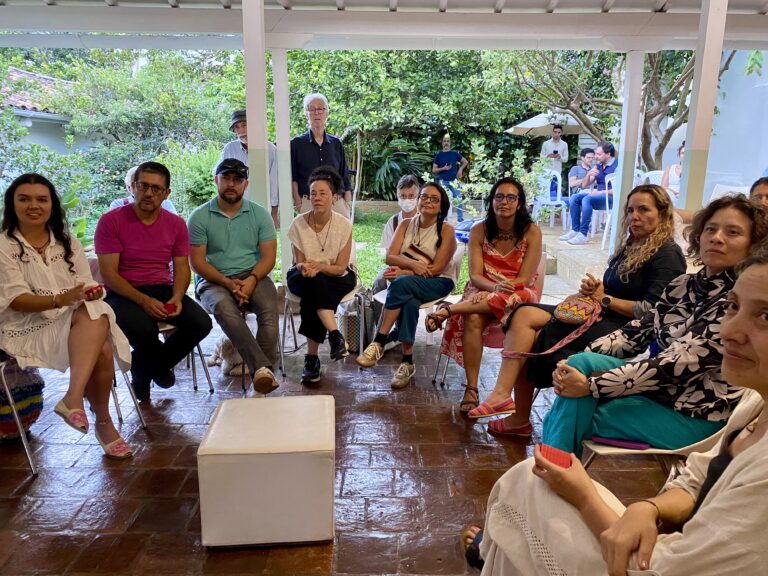
The Barichara Regenerative Foundation recently participated in a virtual national meeting that brought together various actors from the social ecosystem to reflect on a key challenge for the country: how to strengthen the financing of initiatives that are born and developed from the territories.
The event brought together organizations, foundations, and leaders committed to new ways of promoting local development. Based on the findings of Mapping of Actors in the National Ecosystem of Community Philanthropy, The meeting raised a central question: How to finance change from the territories, with greater trust, collaboration and shared power?
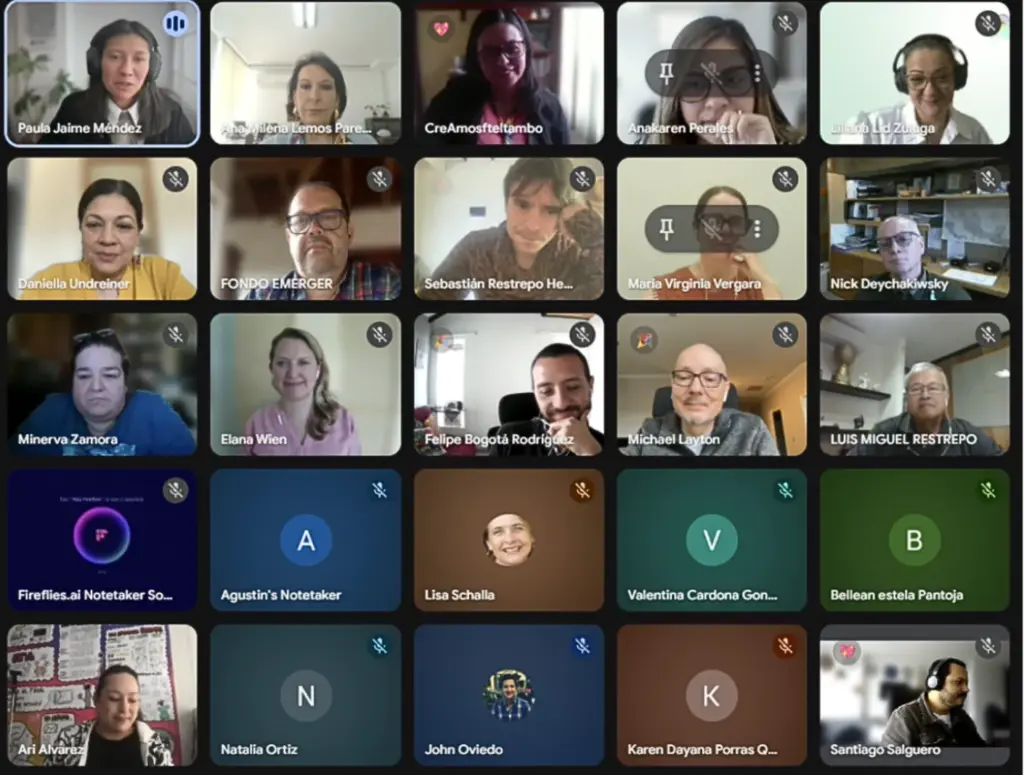
The conversation included the participation of key voices from the sector, including Alejandra Solarte (Fundación Territorial CreAmos), Liliana Lio (Alianza para el Desarrollo), Ana Milena Lemos (Fundación Empresarial Riopaila Castilla) and Juan Mira (Fondo Emerger), who shared reflections, tensions and lessons learned from their own experiences accompanying community processes in different regions of the country.
Among the most relevant topics that emerged were the role of local organizations as facilitators of alliances, the importance of balancing power and resources between national and territorial actors, and the need to build long-term relationships based on trust.
An ecosystem that grows from the territories


Community philanthropy is consolidating itself in Colombia today as a growing force for local development that seeks to enhance existing capacities in the regions and strengthen collective leadership.
Currently, this ecosystem boasts the active participation of 11 national and departmental actors, 8 territorial foundations, and more than 360 local actors distributed across eight departments of the country. Within this network are 303 civil society organizations and 47 local businesses and ventures, reflecting the diversity and vitality of the initiatives working for the well-being of their communities.
In this model, territories are not seen solely as recipients of resources, but as spaces where different types of capital—natural, social, cultural, and financial—converge, which, when articulated, can generate systemic transformations.
Territorial foundations and shared power
One of the topics of conversation was the role of Territorial Foundations as platforms that facilitate collaboration between local and national actors.
These organizations are recognized as key vehicles for driving development processes with governance based on shared power. In practice, this means moving towards systems where decision-making is progressively transferred to communities, recognizing local knowledge and promoting collective decision-making architectures.
This approach also allows for a holistic approach to territorial challenges. In many cases, topics such as regenerative economics, art, culture, and education intertwine to build more complex and sustainable responses to long-standing problems.
Trust as the infrastructure of development
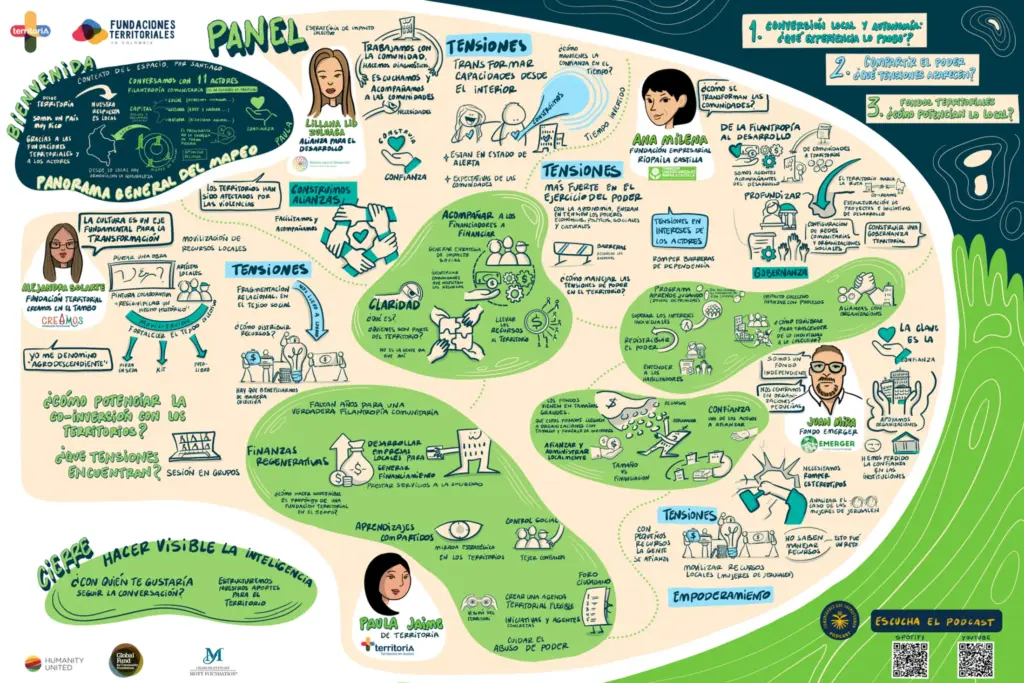
One of the clearest points of consensus from the meeting was the recognition that trust It is the true infrastructure of territorial impact. More than an intangible value, it is presented as the “currency of the territory”, capable of mobilizing resources, strengthening alliances, and sustaining processes over time.
Building that trust requires changing the traditional approach to financing, moving from models focused solely on resource transfer to more horizontal collaborative frameworks. Within this context, the importance of advancing towards co-investment mechanisms was emphasized, where decisions about resource use are made jointly with local stakeholders.
This approach not only strengthens the relevance of initiatives, but also reduces risks and increases the sustainability of community processes.
A dialogue that continues
Rather than concluding a conversation, this meeting opened up new questions and avenues for collaboration. The next step will be an in-person event at Uniandinos in Bogotá, where various stakeholders in the national ecosystem will meet to delve deeper into concrete strategies for coordination and co-investment with local communities.
From Barichara, the Barichara Regenerative Foundation will continue to participate in these spaces of collective construction, convinced that when communities have an active role in the management of resources and in decision-making, transformations not only become possible, but also deeper and more lasting in the life of the territory.