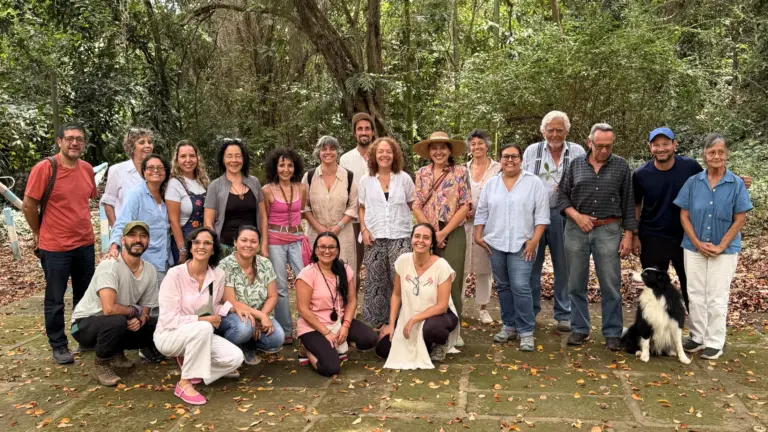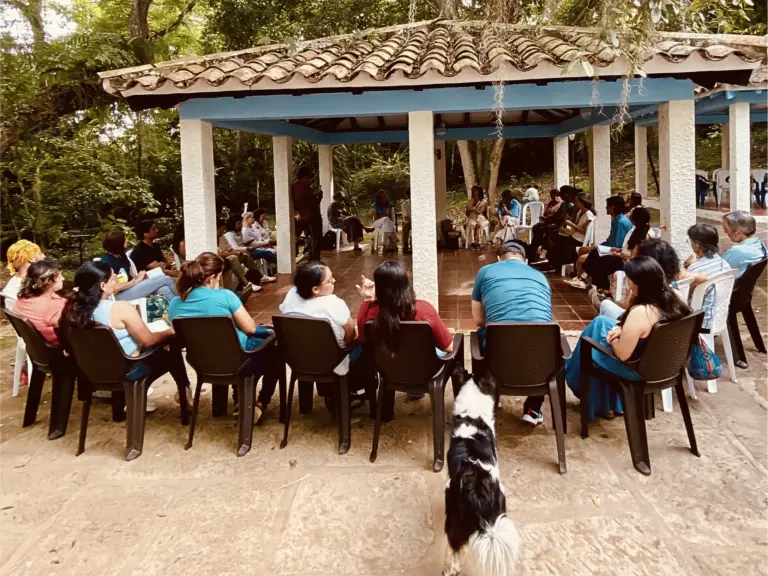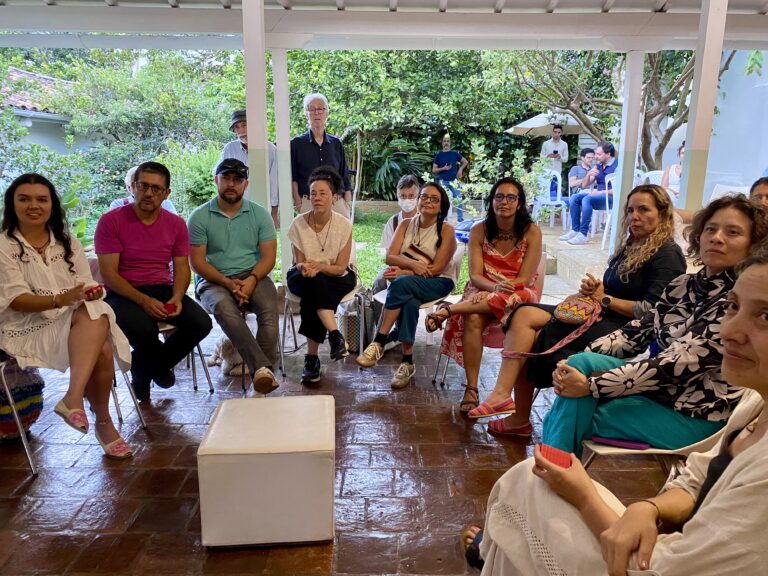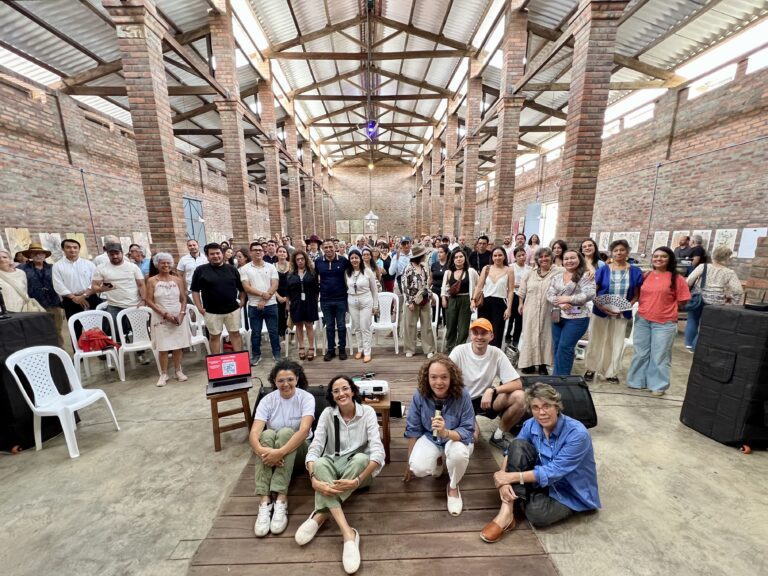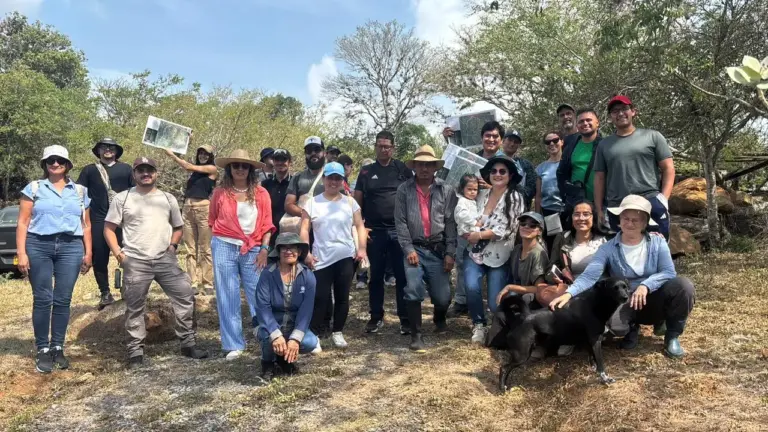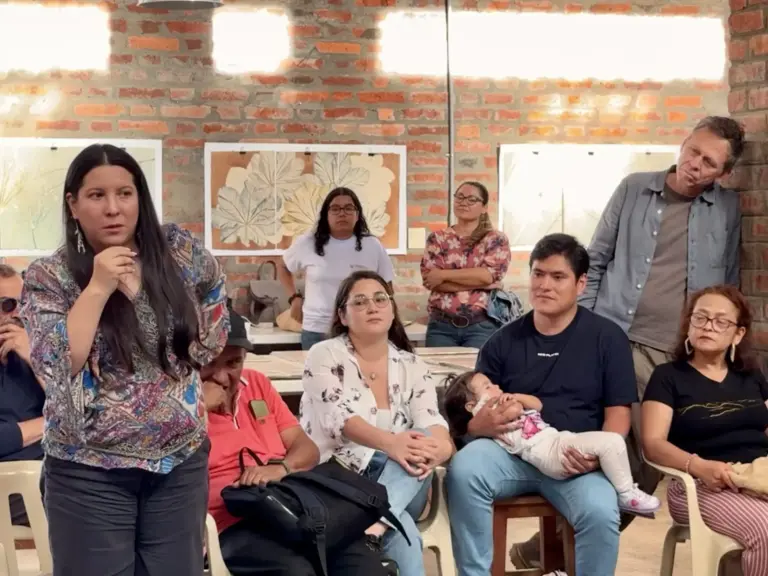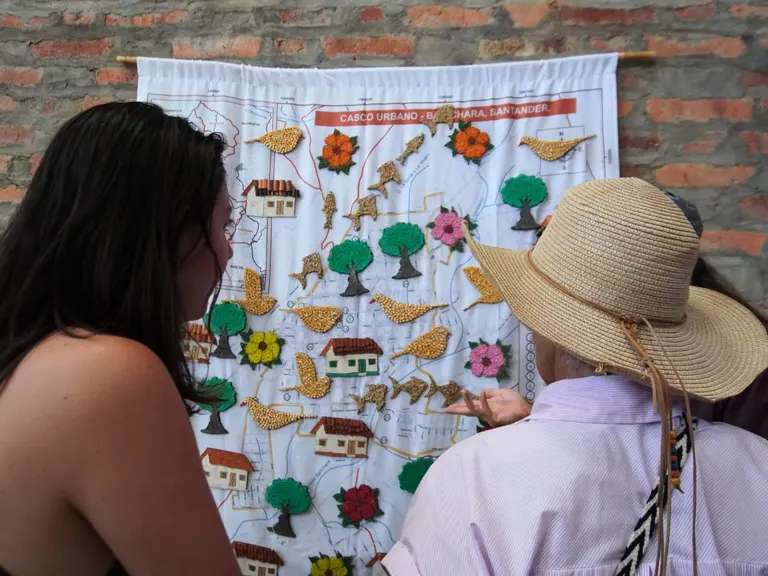

The Barichara Regenerative Foundation, together with the Guayacanal Foundation, the Seed Hunters youth group and the Aguas Cristalinas rural aqueduct, are part of the alliance that promotes the project: Raizagua, governance for recovery and adaptation to climate change in the La Paramera micro-basin, in the municipality of Barichara, Santander.
The project was selected, from among 264 proposals, as one of the 24 initiatives focused on Nature-based Solutions (NbS) within the call for the program SolNatura, which promotes restoration and adaptation actions to climate change in the departments of Córdoba, Huila and Santander; and which seeks a resilient, low carbon and biodiverse territorial development.
The program is implemented by the German Development Cooperation (GIZ), The Nature Conservancy (TNC) and Fondo Acción, and is financed by the German Federal Ministry for the Environment (BMUV) through the International Climate Initiative (IKI).
In this context, Raizagua proposes a model that integrates ecological restoration, community participation and governance, and new forms of financing to strengthen the protection of water sources in Barichara.
After completing the proposal evaluation and development process, Raizagua was selected to receive co-financing, which will allow its implementation to begin in the territory. According to the program's timeline, the formalization of the agreement is scheduled for April 30, 2026, and the project activities will begin on May 19, 2026.
An alliance with roots in the territory
The Raizagua project is driven by an alliance of local organizations and actors with a presence in the territory.
The Guayacanal Foundation The youth group acts as the proponent and leads the technical and administrative coordination of the project. Seed Hunters It provides environmental leadership and participates in community monitoring of actions related to Nature-based Solutions.
He Aguas Cristalinas rural aqueduct It represents community leadership and facilitates the involvement of families using the water system, helping to ensure that the project's actions respond to the needs of those who live in the territory.
For its part, the Barichara Regenerative Foundation It participates in the development of regenerative finance strategies and in the creation of a restoration fund designed to contribute to the sustainability of the project beyond the initial funding.
In addition to the support of the SolNatura program, the initiative has the backing of Novo Foundation for the design of collaborative investment models.
A territory of great ecological diversity


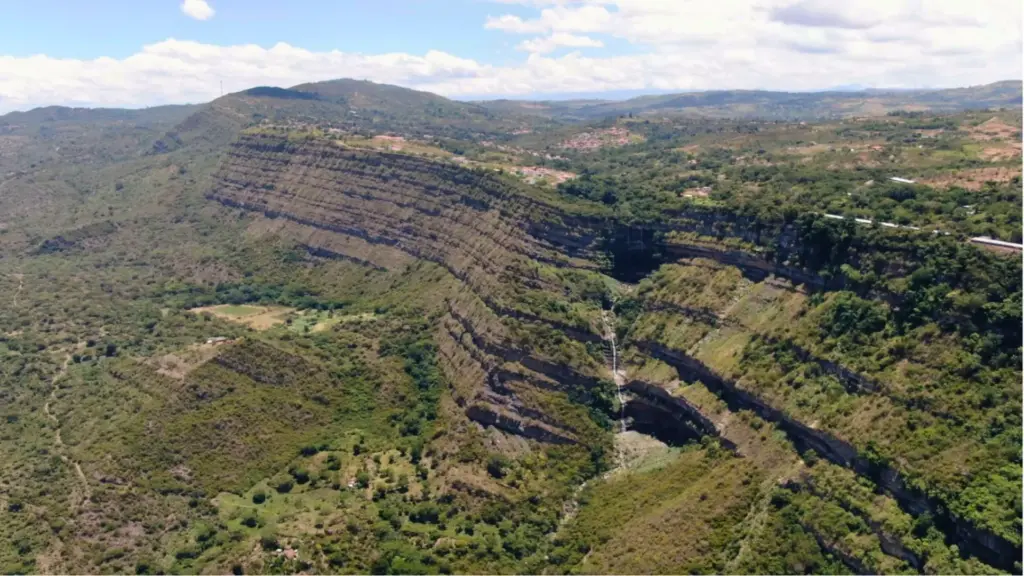
The La Paramera micro-basin exhibits a remarkable diversity of ecosystems. Its territory connects environments that extend from the Chicamocha Canyon to the Altiplano, resulting in great ecological richness.
In the higher areas there are cloud forests and oak groves, as well as hanging valleys with stunted forests, savannas and rock-dwelling vegetation adapted to the terrain conditions.
In other areas, tropical dry forest ecosystems predominate, with scrubland adapted to semi-dry conditions and gallery forests where species such as cedar and caracolí grow.
The territory also includes wetlands and peat bogs, key ecosystems for regulating the water cycle in the highlands.
Restore the La Paramera micro-basin
The main objective of Raizagua is to restore and protect the hydrological and ecological functionality of the La Paramera micro-basin through environmental restoration actions and the strengthening of community participation. The project promotes a land management model based on co-responsibility, in which communities actively participate in the care of the ecosystems that sustain water sources, in line with the Nature-based Solutions approach to addressing challenges such as climate change, biodiversity loss, and water security.
More than just a one-off project, Raizagua aims to forge a path of collaboration to protect the water sources that sustain life in the region. This process seeks to ensure that the restoration of the La Paramera micro-basin has deep roots and is sustainable over time.