
Ciclo Vivo is an initiative of the Barichara Regenerativa Foundation that seeks to transform community planning into concrete and sustainable actions for the region. Rather than supporting isolated projects, the program strengthens long-term collective processes, in line with the environmental, educational, economic, cultural, and territorial healing principles that guide the Foundation's work.
Its essential mission is to foster participatory governance in Barichara through meaningful gatherings aligned with the ecological calendar. The design principle stems from a clear idea: to articulate social processes with the cycles of nature to generate convergences that favor the care of life. We call this intentional convergence between community and territory participatory governance.
From Sowing to Living Cycle


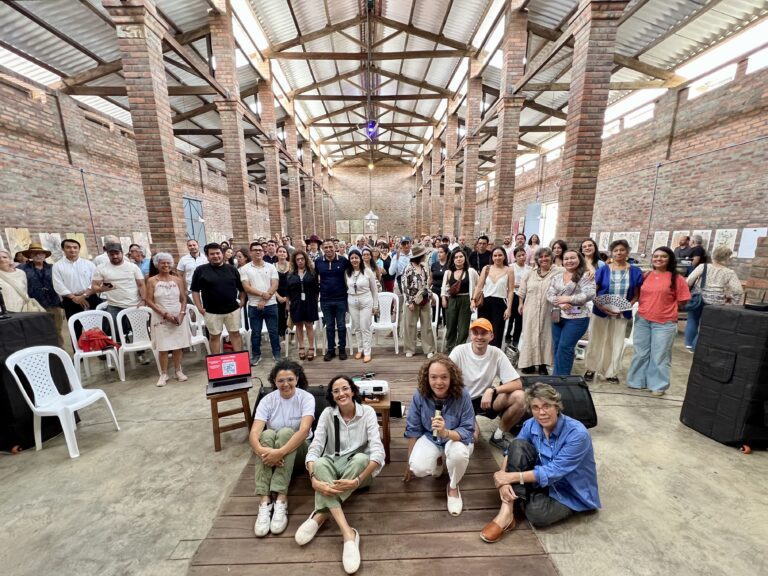
On March 22, 2025, the first phase of this process, then called the Regeneration Cycle: Weaving Links, began with a gathering called The Planting. This event was the result of prior research conducted by the Foundation to identify existing organizations, initiatives, and capacities in Barichara.
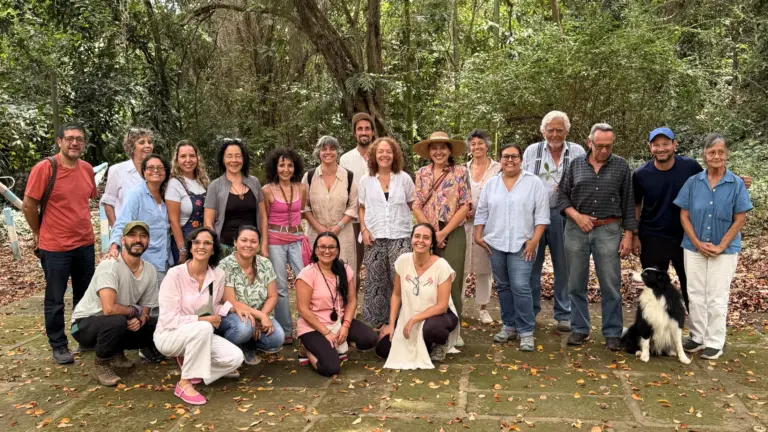
Nearly 60 people, representing 29 organizations, participated in that first meeting. The objective was to get to know each other, share what each process had been developing, and begin building collaborative networks.
That moment marked the beginning of a journey that continues today under the name of Ciclo Vivo, now in its second phase.
Articulation with the EOT Citizen Forum
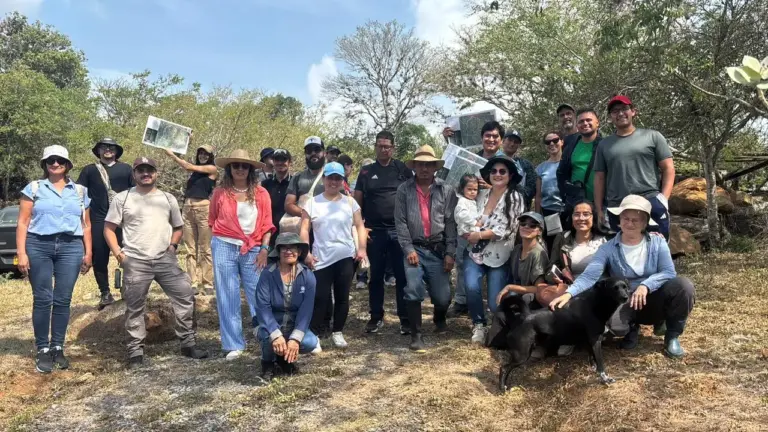
In this new phase, Ciclo Vivo joined forces with the Barichara 2025 EOT Citizen Forum to support concrete actions proposed by the community that are not directly dependent on institutional channels. The challenge was clear: to ensure that the ideas, agreements, and proposals developed collectively did not remain merely theoretical, but rather found real paths to implementation.
From this intersection between participatory planning and territorial action, five pilot initiatives emerged:
– Water School. An educational and technical process for the restoration of the water cycle.
– Art Route. Focused on strengthening the cultural fabric in rural areas.
– Water Cycle Restoration Fund / Seal of Trust. Aimed at promoting and standardizing regenerative practices.
– Crystal Clear Waters, Community Aqueduct, focused on the social management of water.
– Productive Transformation Center, with Casa Común, which seeks to strengthen the peasant economy.
Each of these initiatives addresses specific challenges in the region and, at the same time, is understood as part of a broader system. They are not isolated efforts. They are processes that interact with one another and find their greatest strength in collaboration.


Meeting to activate funds and alliances
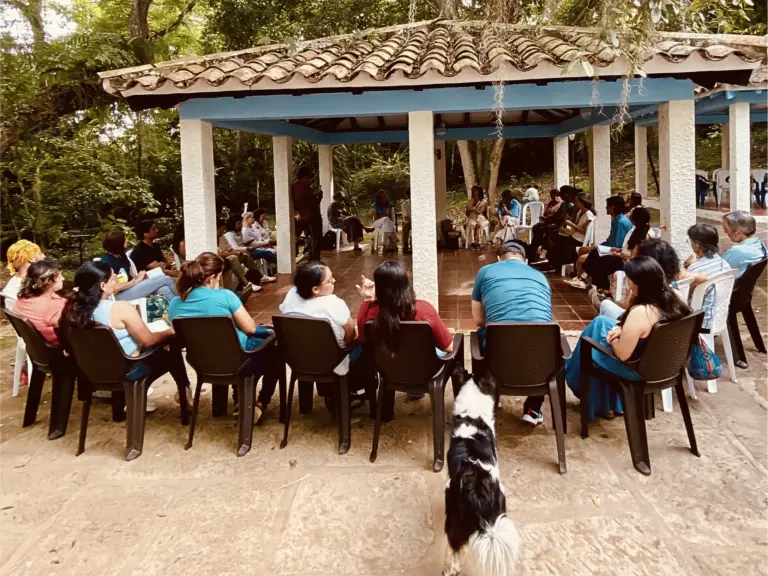
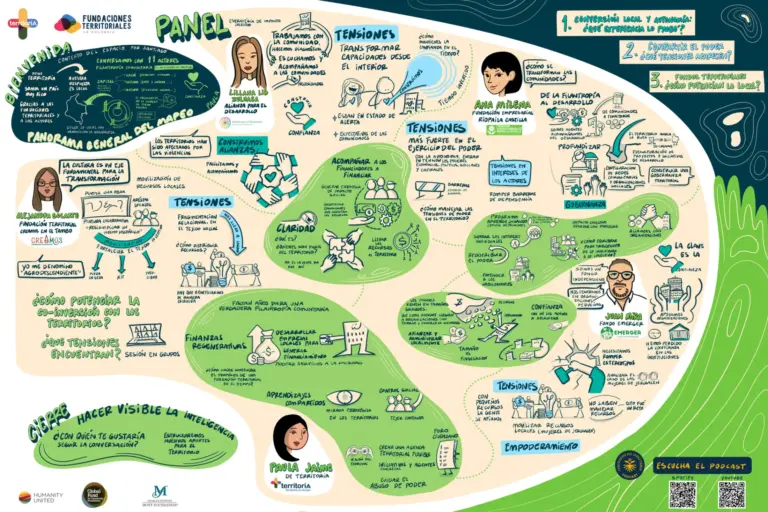
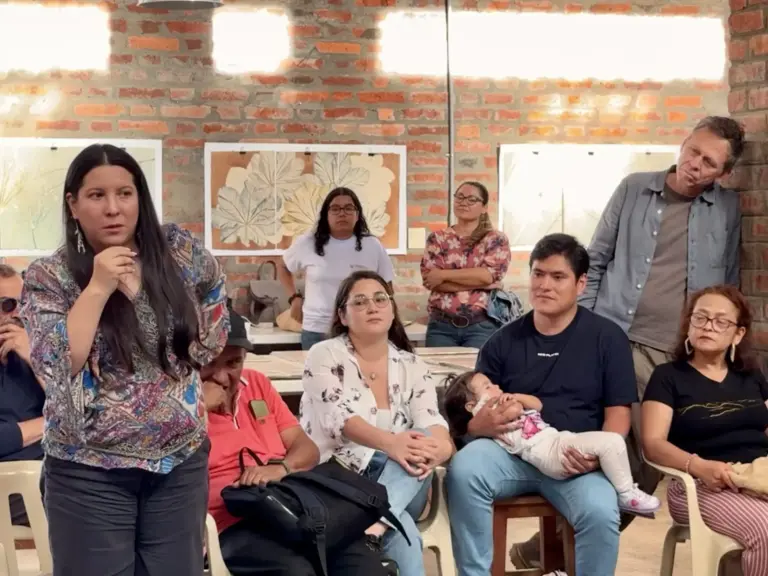
As part of this process, on February 14, 2026, a meeting was held in which the initiatives presented their progress, identified possible alliances, made decisions about the allocation of resources, and were supported by mentors from the community.
The central objective was the activation and collaborative management of funds. More than a technical meeting, it was a practical exercise in shared governance. The leaders presented their processes, listened to others, and participated in a participatory resource allocation exercise.
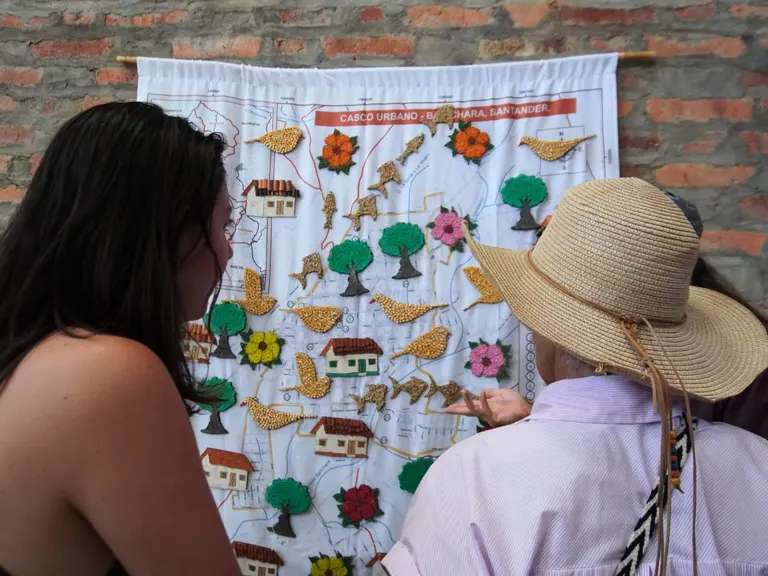
Inspired by Gregory Bateson's theory of living systems, the methodology proposed that the budget should not be decided by an external authority, but by the participants themselves, through a system of tokens equivalent to money.
The route included several phases:
1. Presentation of visions (pitch): each process shared in eight minutes its purpose and the catalytic actions it proposed for the territory.
2. Solidarity distribution: each initiative received tokens that it had to allocate to other processes, recognizing the value of other people's work.
3. Balancing round: a space was opened to redistribute resources and correct possible imbalances.
4. Alliance round: between 5 and 11 million pesos were allocated exclusively to strengthen synergies between two or more processes.
At the close of the fiscal year, the final budget allocation for each initiative ranged between 9 and 11 million pesos, in addition to the resources allocated to partnerships.
Beyond resources, strengthening the fabric
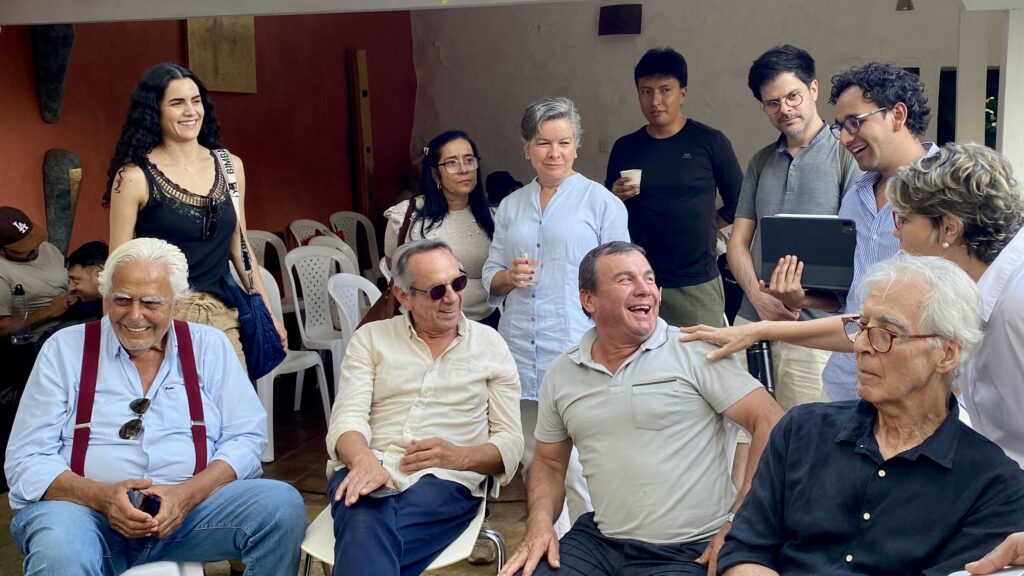
While there was a specific economic distribution, the most significant outcome was the strengthening of community trust. Decision-making power shifted from the funder to the community itself, generating a direct experience of shared responsibility.
The process also solidified a network of local mentors: experienced residents who contribute knowledge and non-financial support to monitor and strengthen the initiatives. In this way, accountability is structured horizontally within the community, rather than solely vertically to an institution.
With the signing of the collaboration agreements and the disbursement of funds, Ciclo Vivo now begins a phase of ongoing support and learning. The goal is for the collectively developed agreements to translate into concrete actions, strengthening the social fabric, shared governance, and the sustainability of the processes.
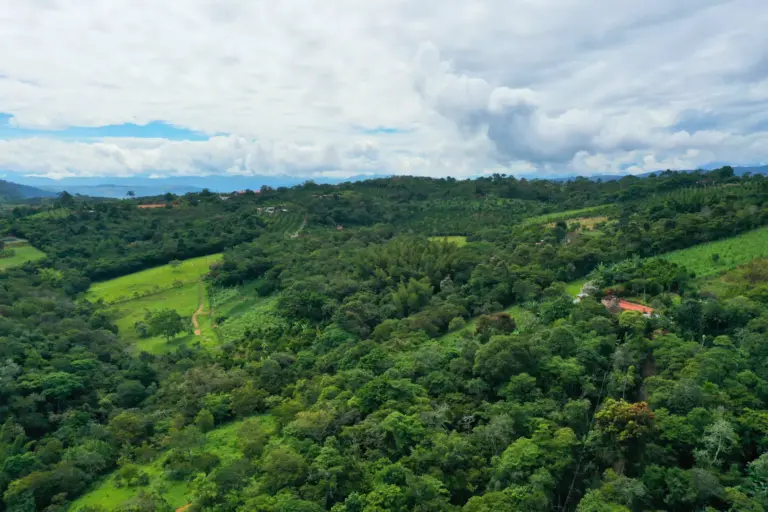
In Barichara, this laboratory continues to operate. Each process is a seed, and the territory is the common ground where those seeds grow together.