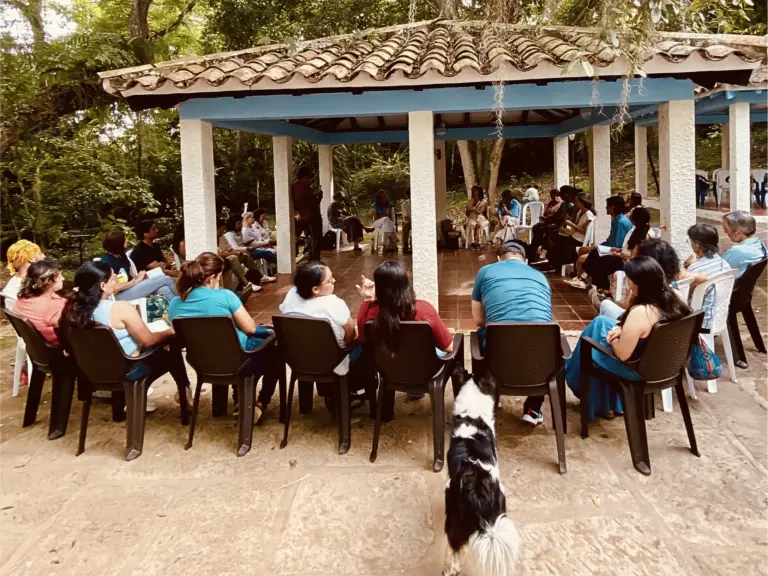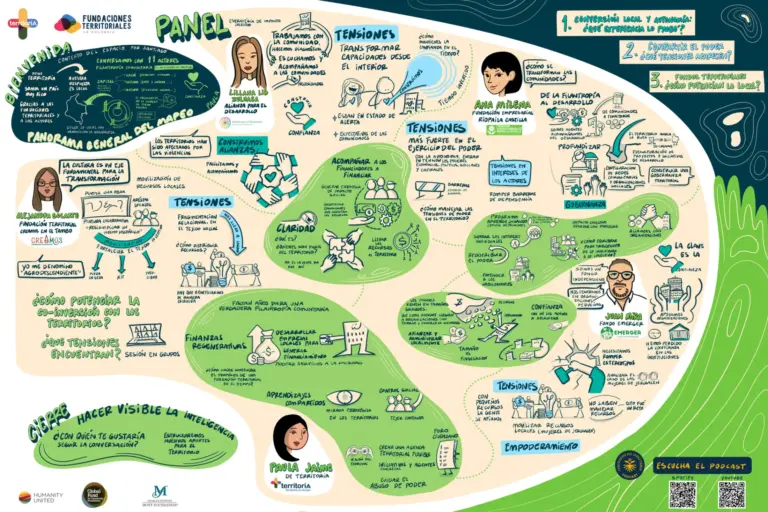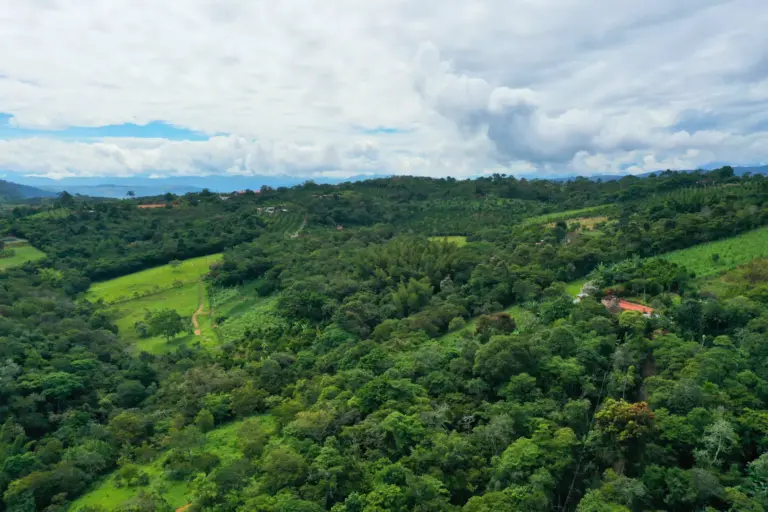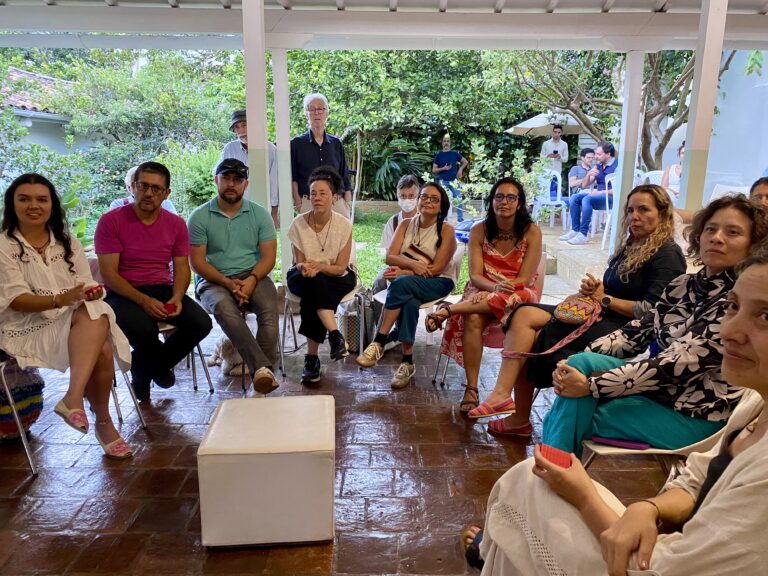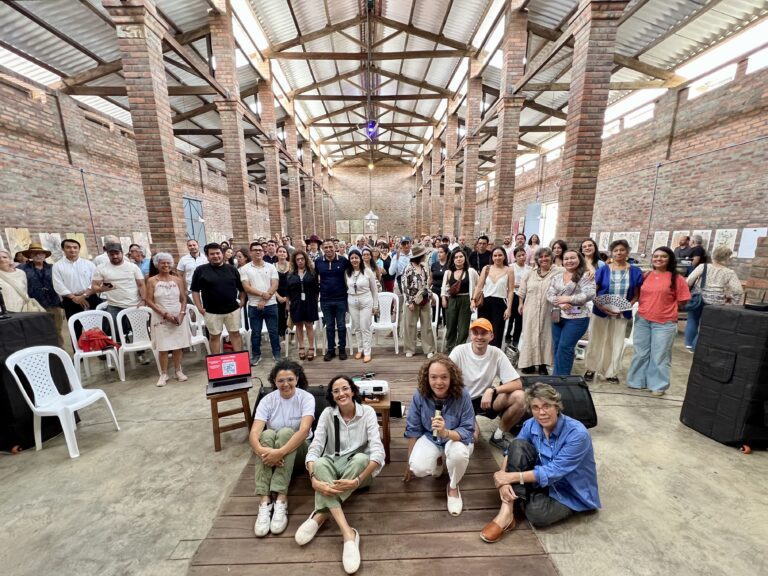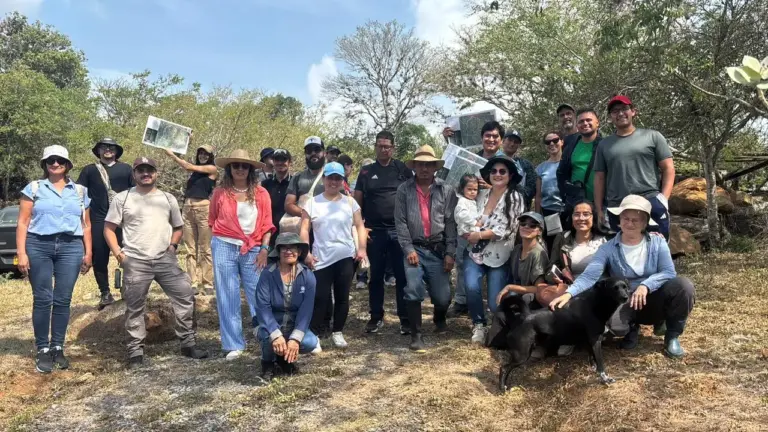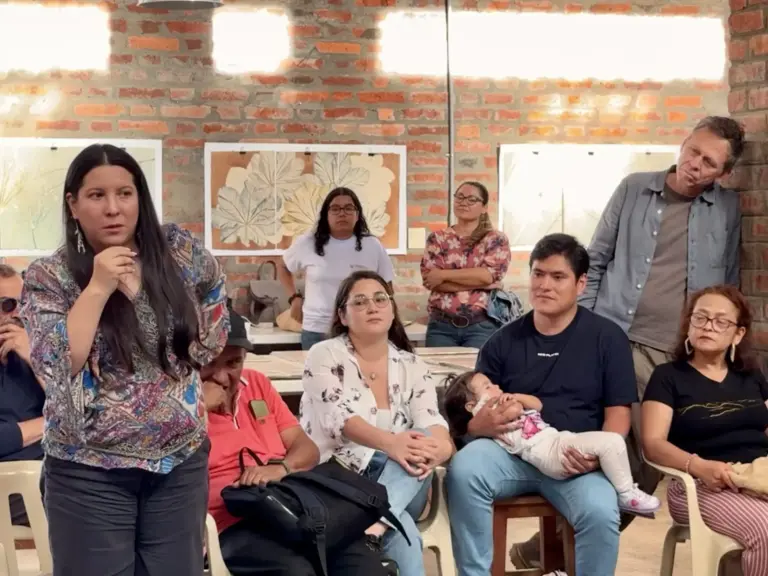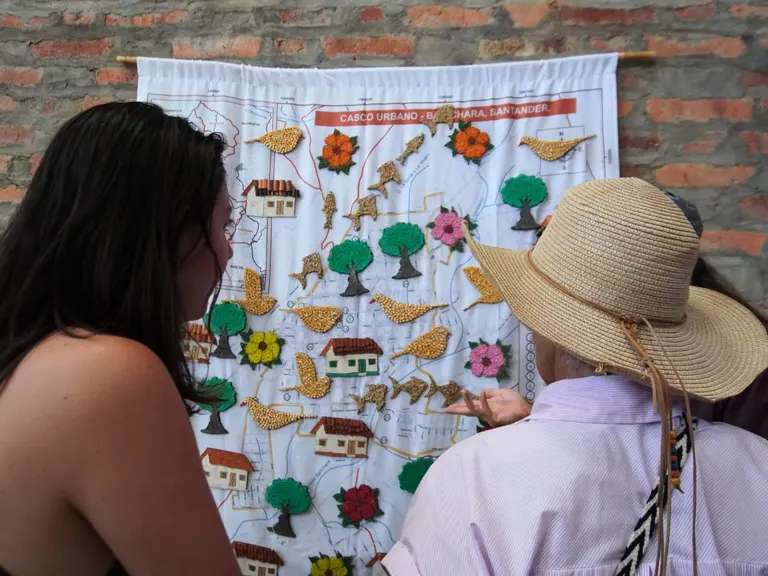
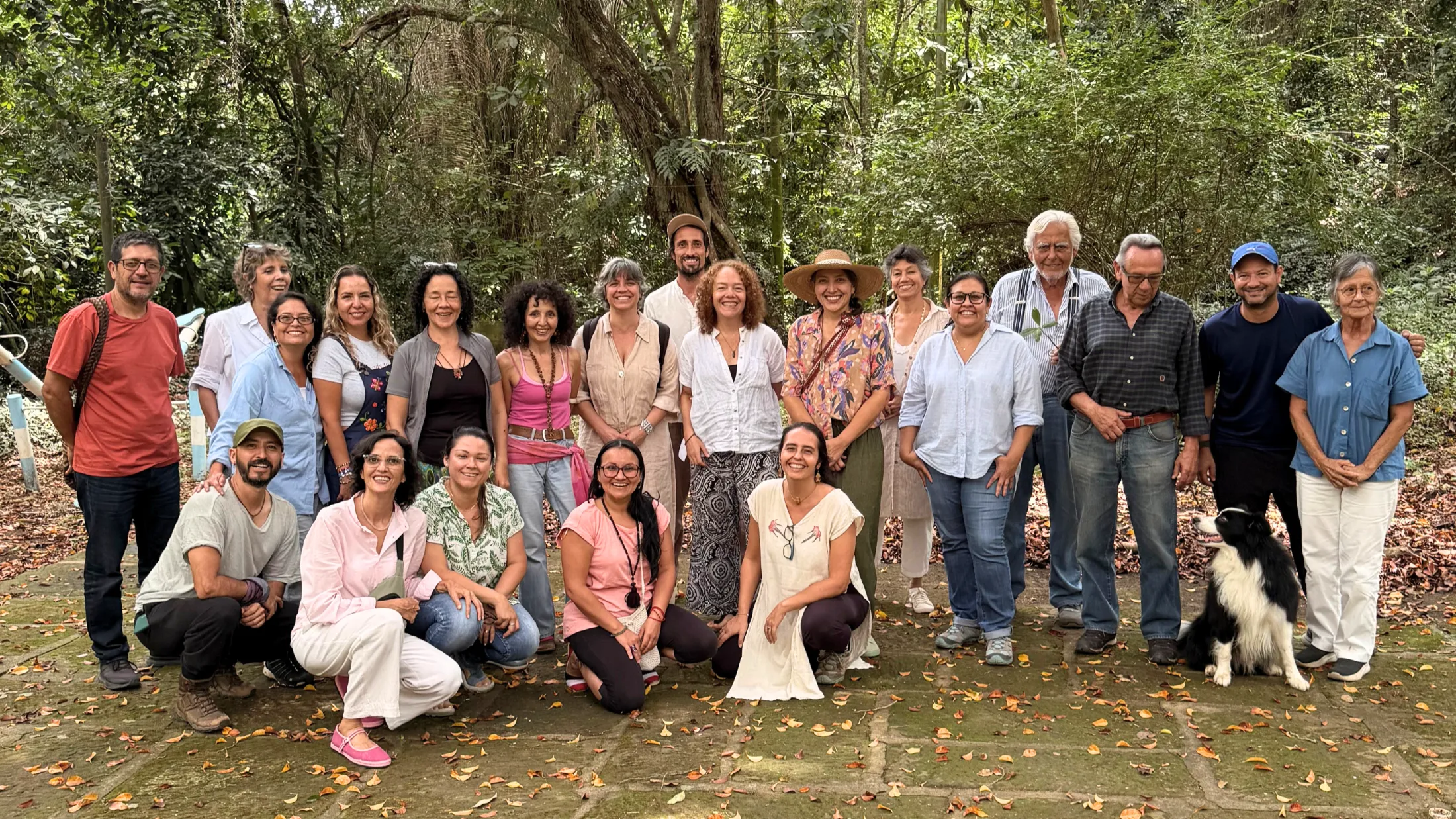
On July 18th, we met in Chorreras with the five initiatives that make up the first cohort of Ciclo Vivo, from the Barichara Regenerativa Foundation, to share the lessons learned from a process that, over several months, has sought to strengthen and coordinate initiatives that, through concrete and sustainable actions, aim to contribute to the regeneration of the territory through community planning. More than a space to showcase results, the meeting was an opportunity to pause, reflect on the journey, and learn together from our experiences.
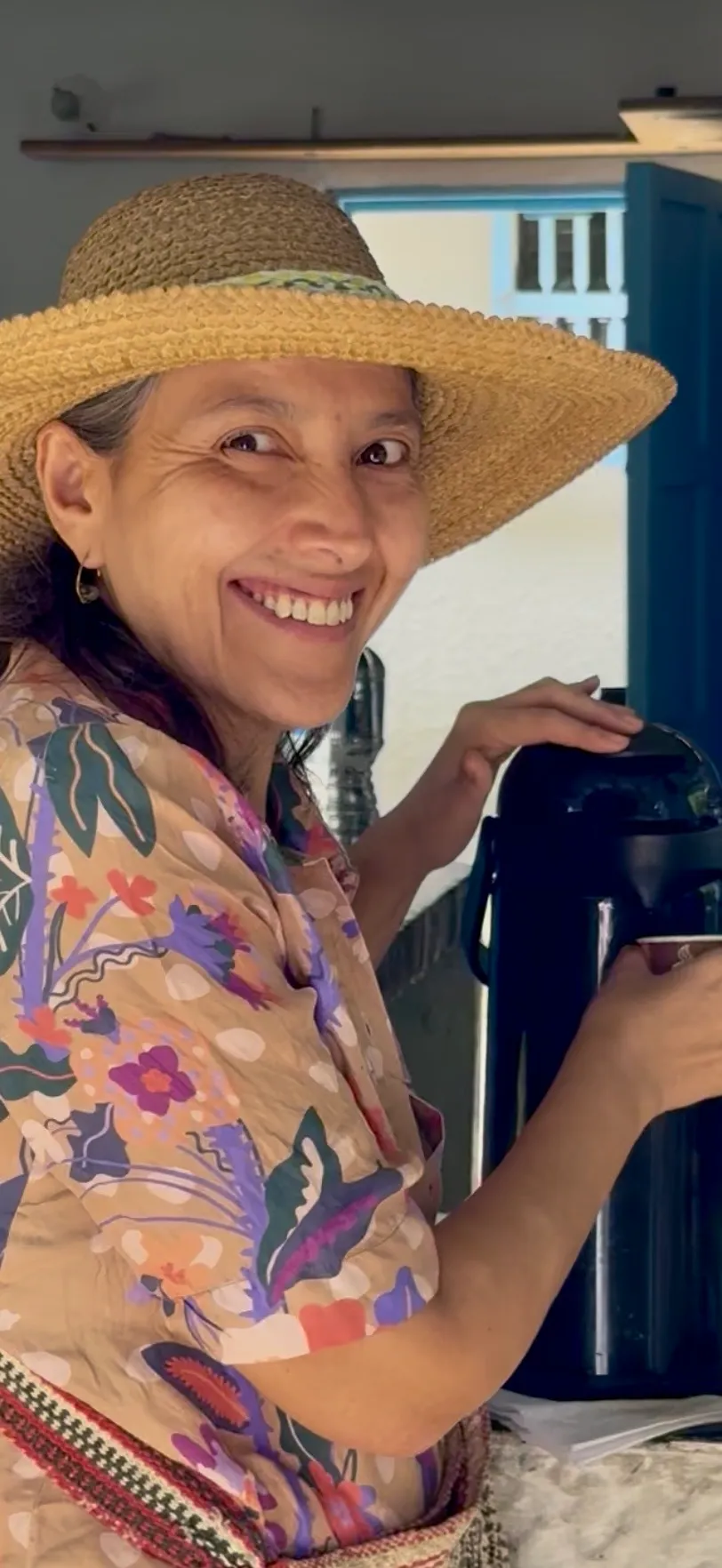
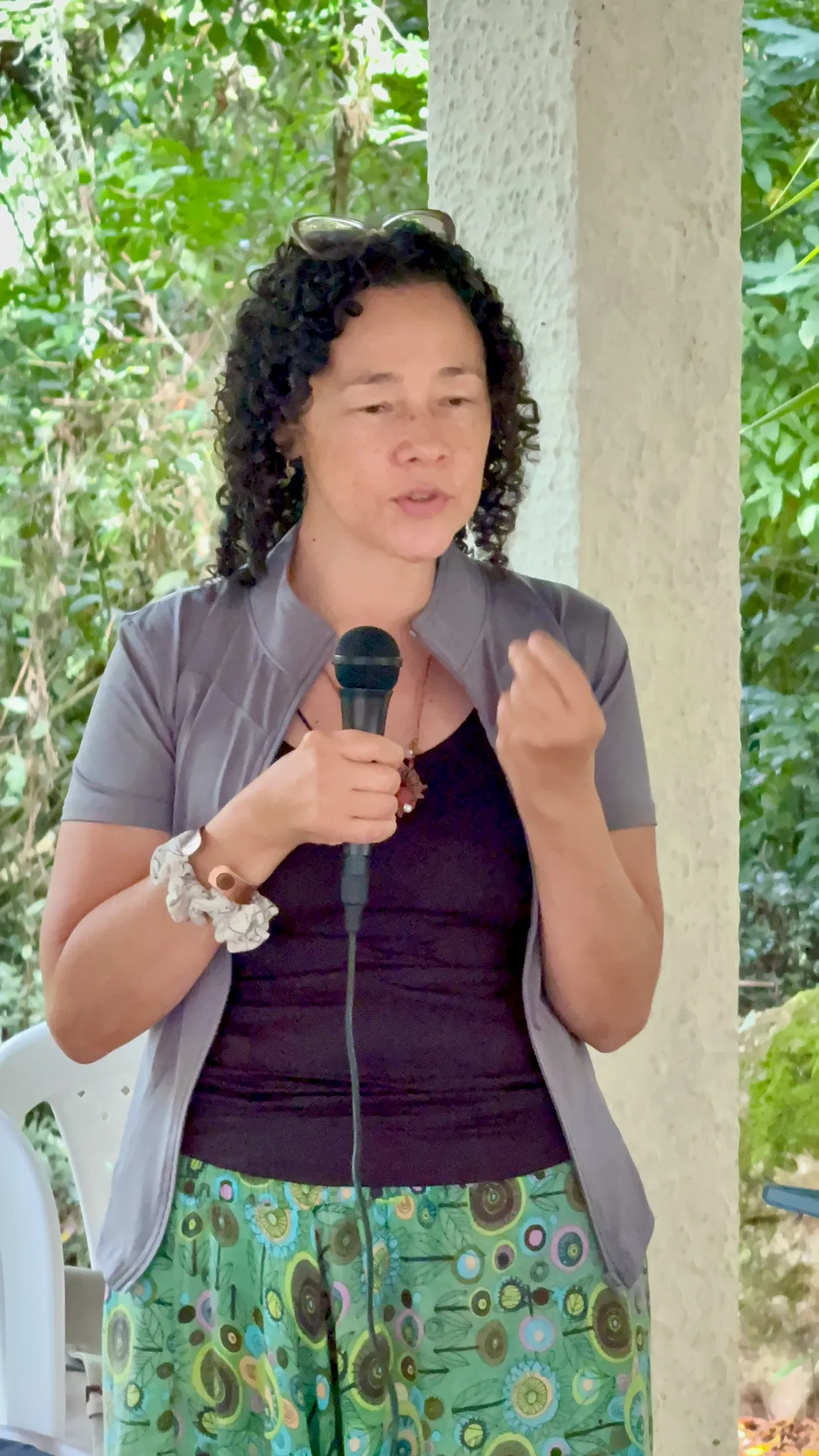
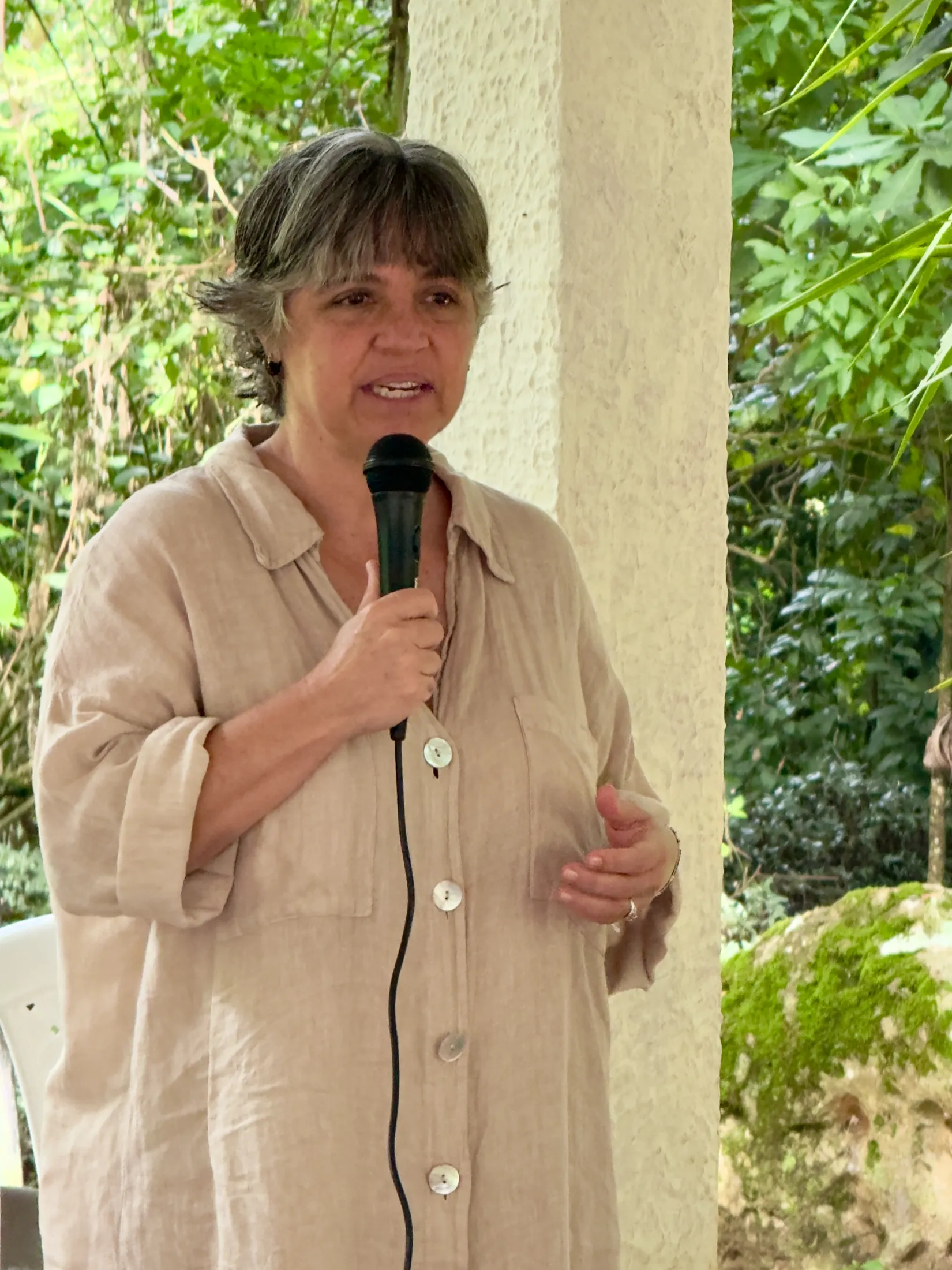
Representatives from La Ruta del Arte, the Water Cycle Restoration Fund and the Water Sowers Seal, the Aguas Cristalinas Community Aqueduct, the Common House Transformation Workshop and the Water School participated, along with the team from the Barichara Regenerative Foundation, the facilitators of the process, Makis and Felipe Medina, and several of the mentors who have accompanied the initiatives.
The day began with a pause for an exercise in presence, acknowledging the space and preparing for active listening. Then came an exercise in connecting with others, looking into each other's eyes and recognizing themselves as part of the same fabric. That was the spirit that permeated the entire conversation.
From the outset, it was clear that this was neither an evaluation nor an accountability exercise. Ciclo Vivo is a social laboratory, a space for experimenting with new ways to strengthen initiatives and build trust among those working to regenerate Barichara. And in experimentation, there is no failure; there are only lessons learned.
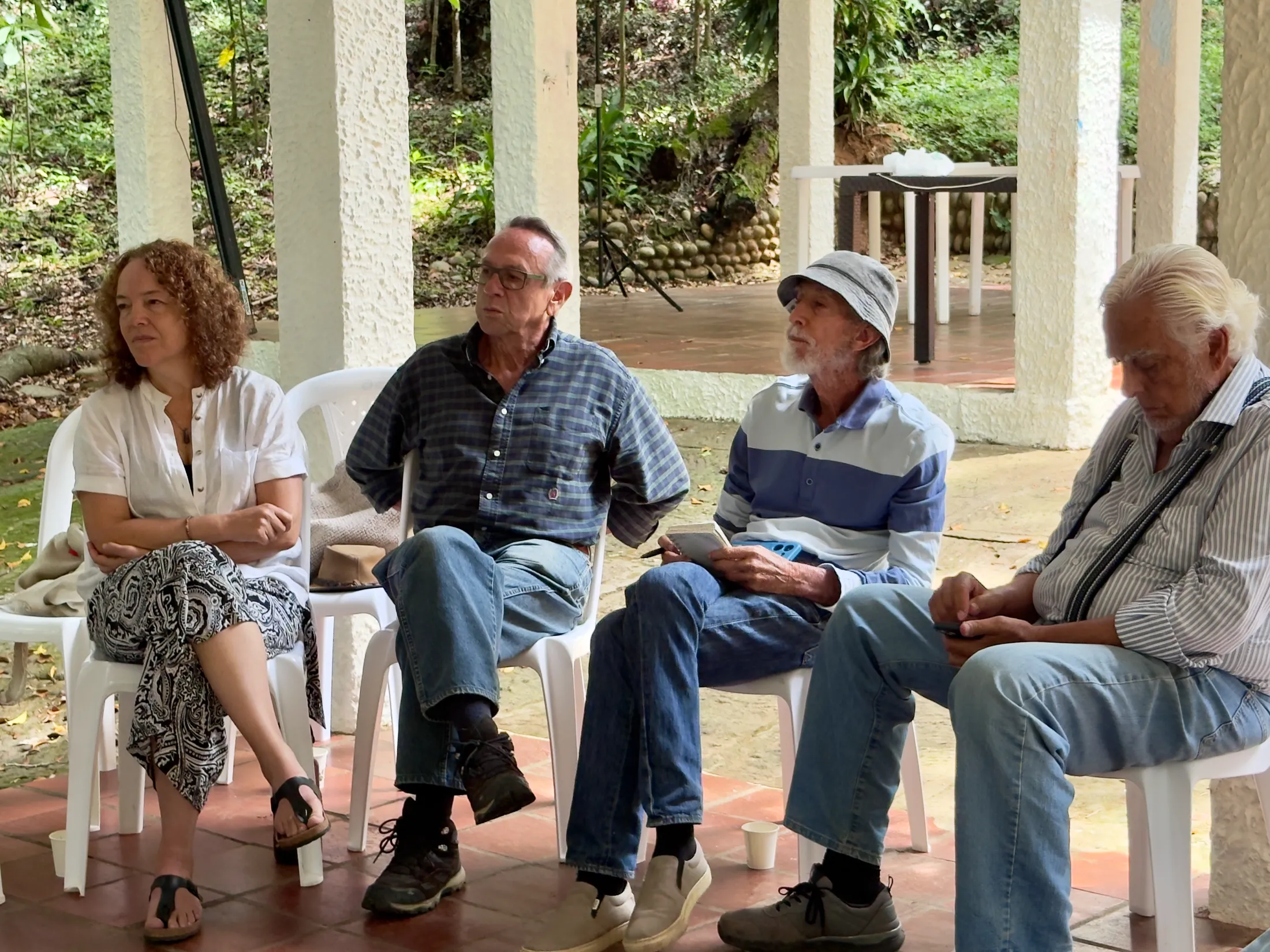
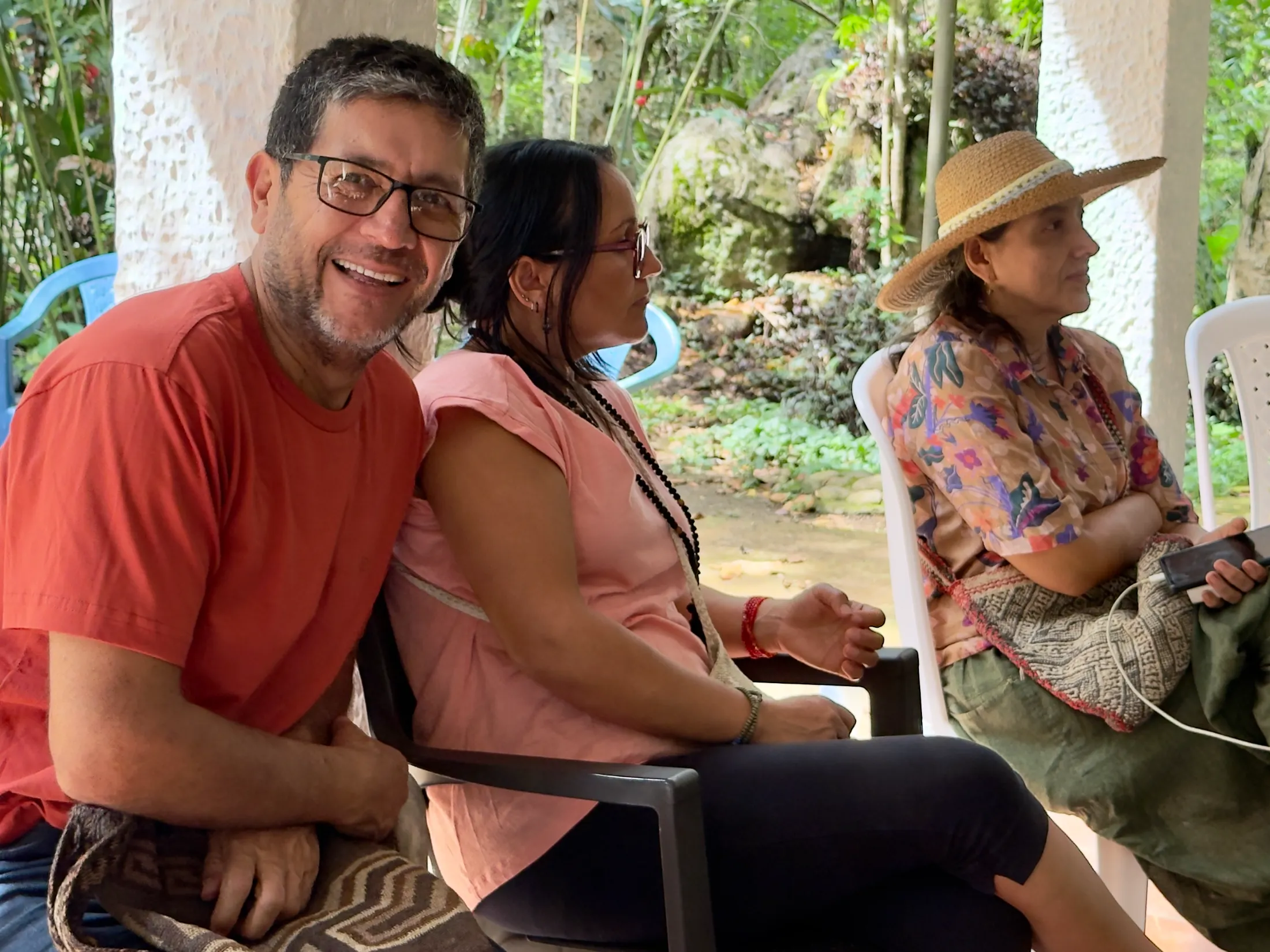
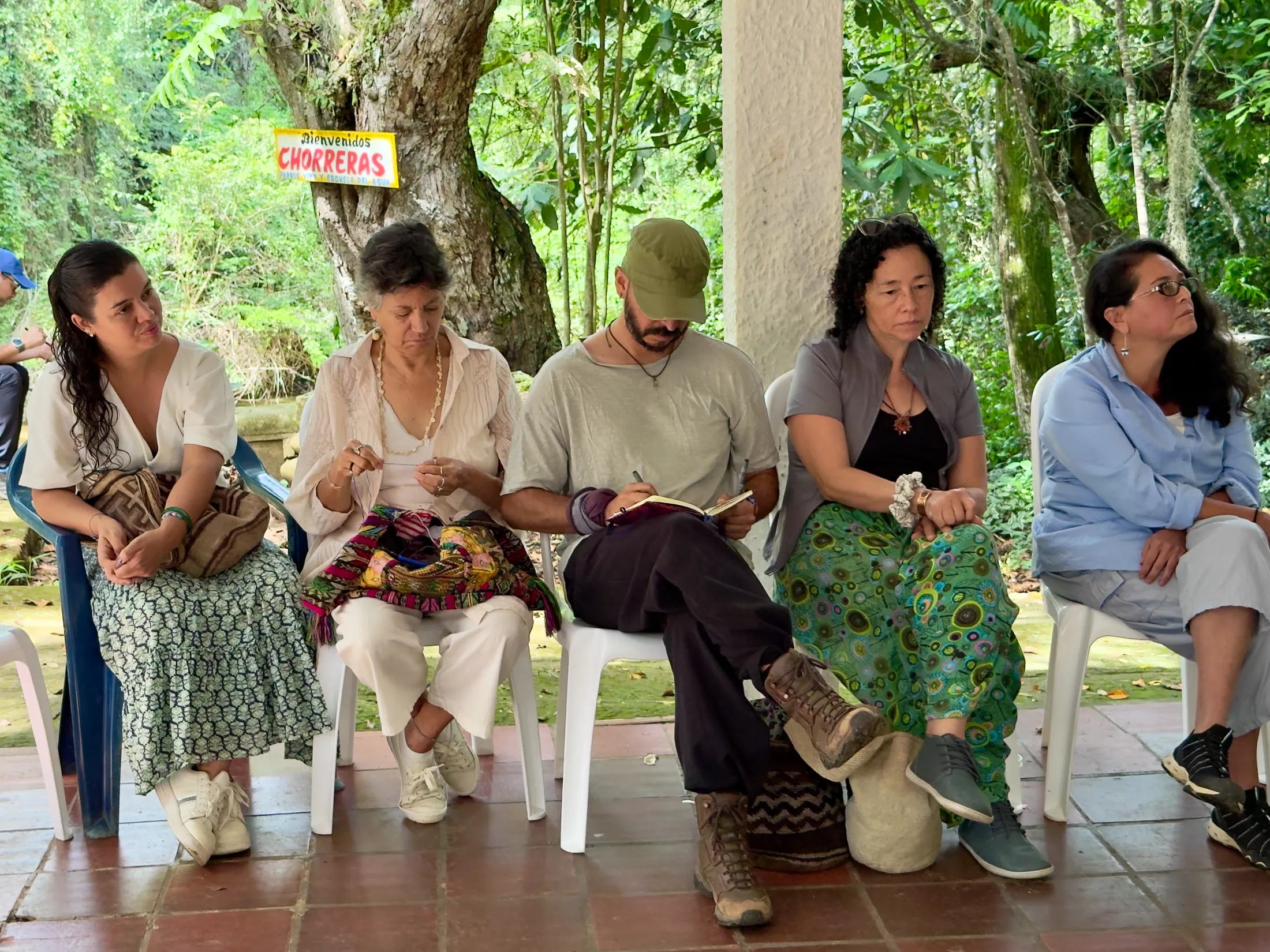
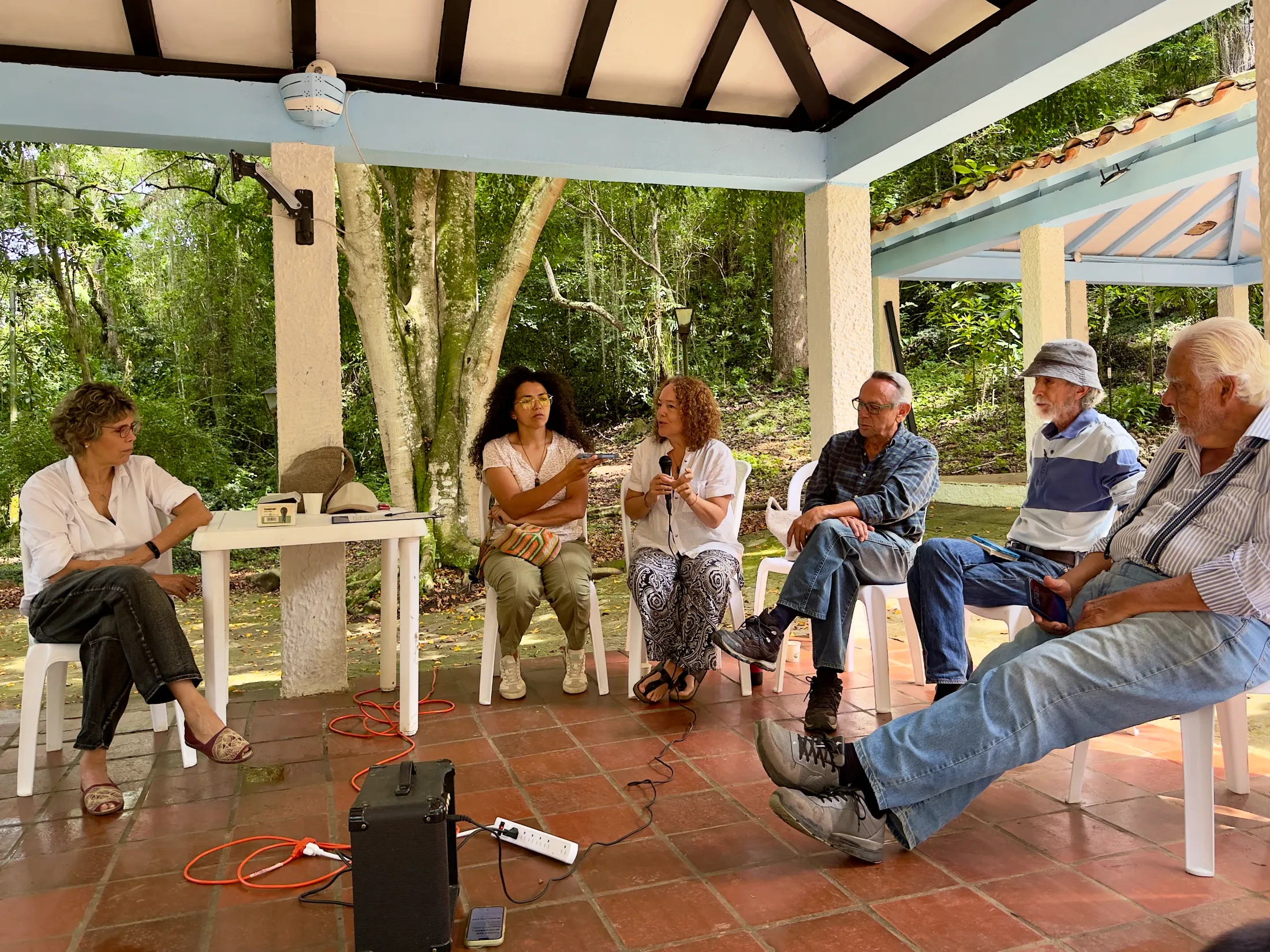
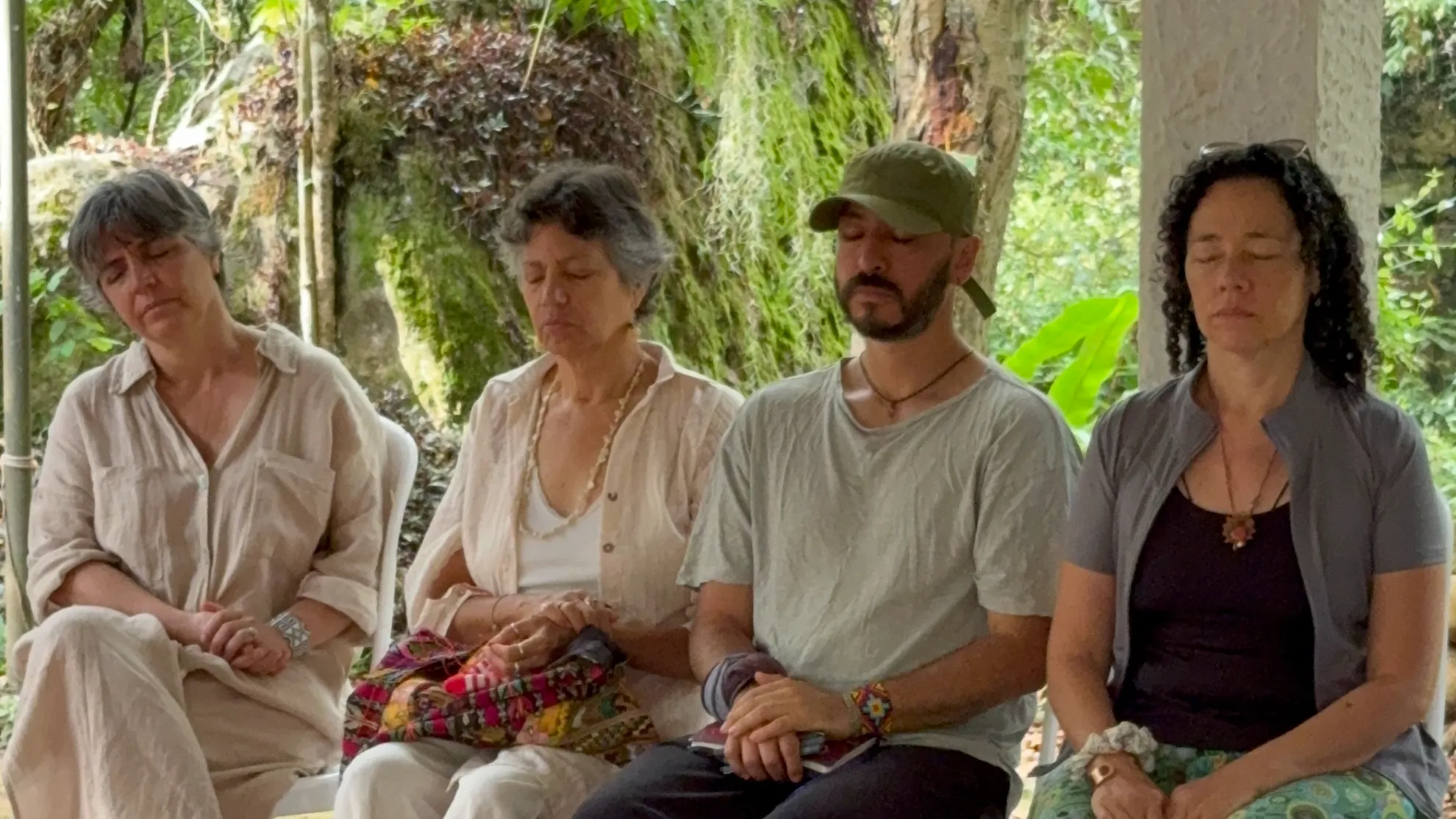
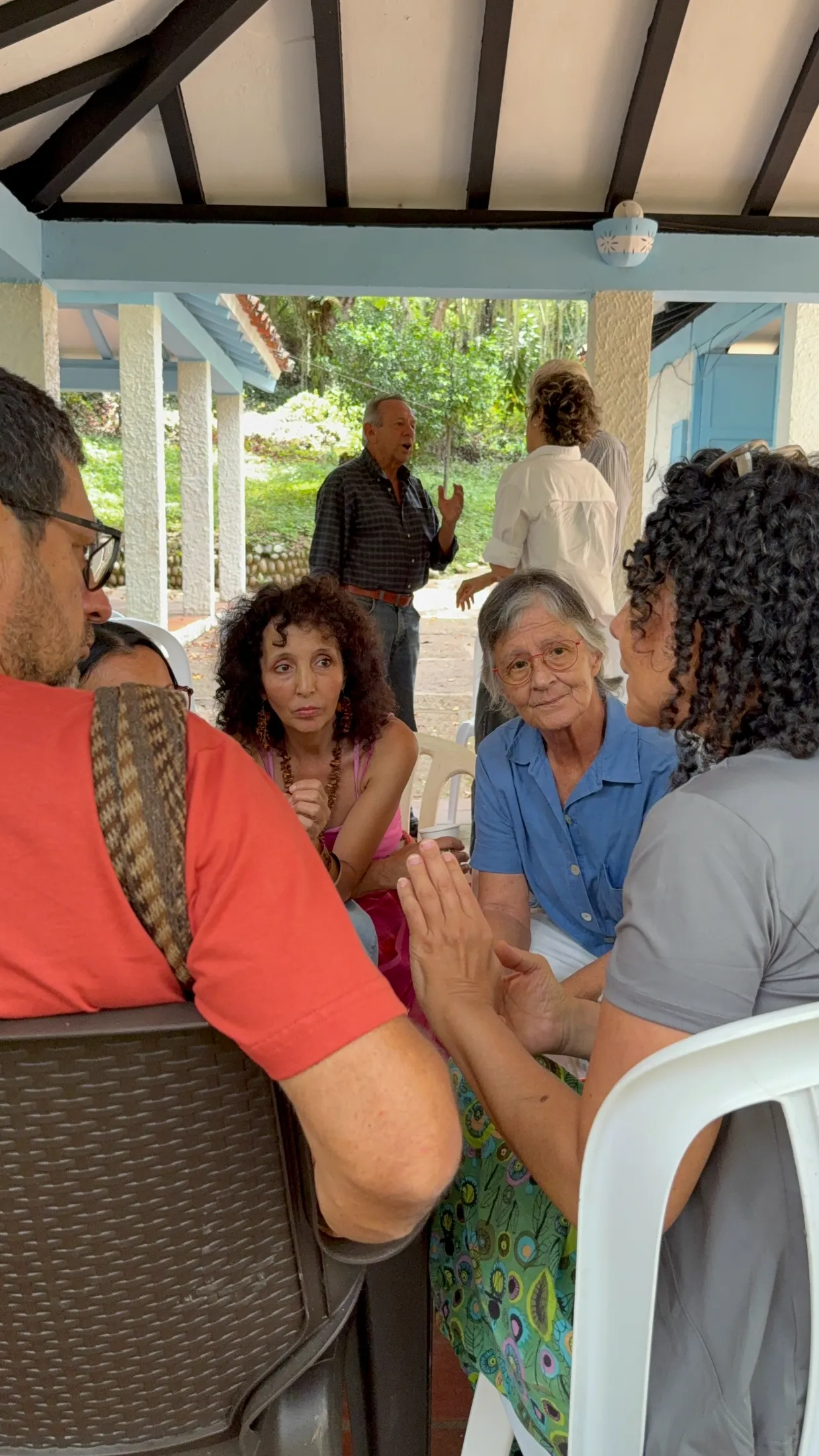
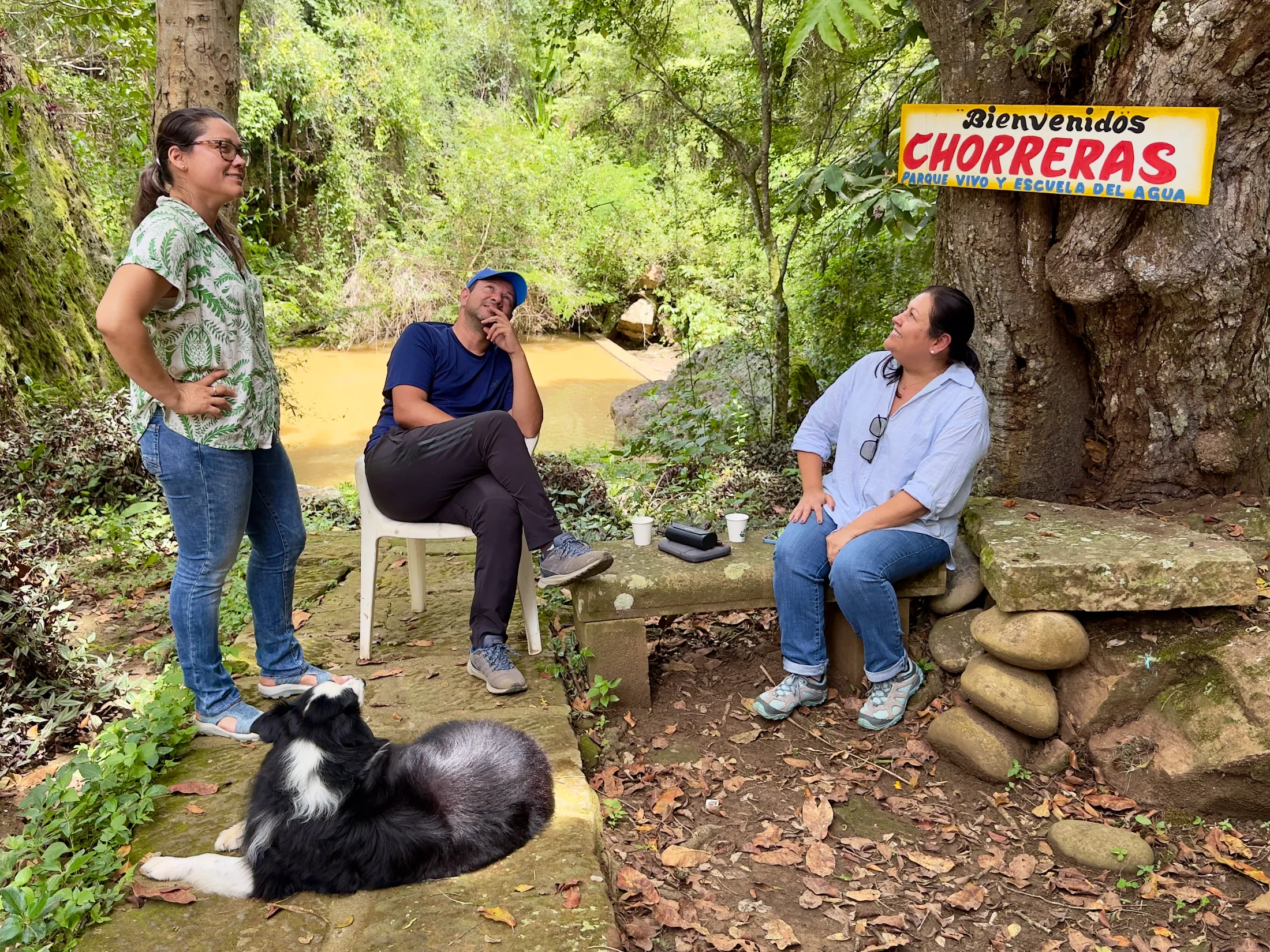
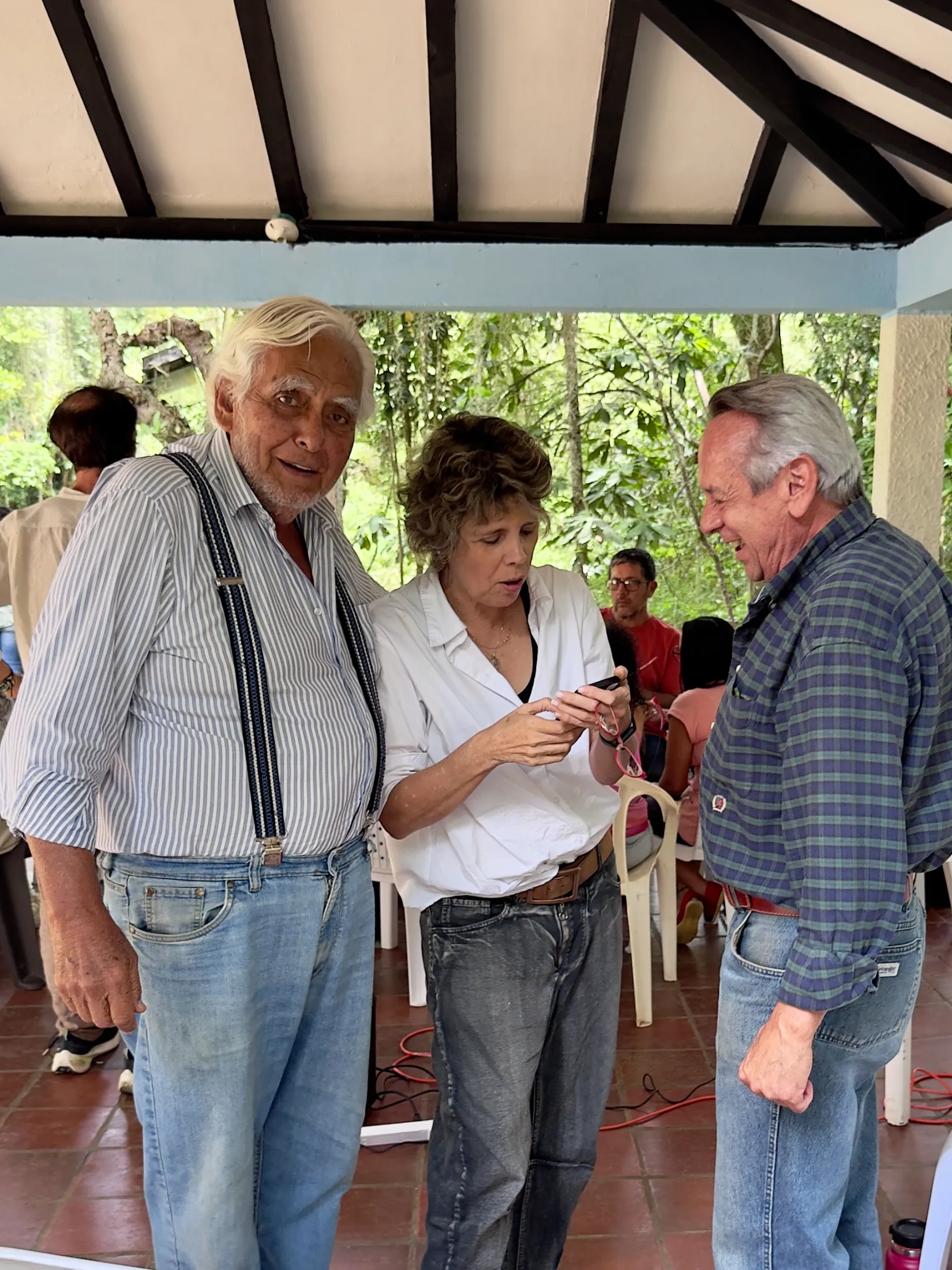
Starting with four simple questions - what worked as planned, what didn't happen as expected, what was learned from it, and how resources were used - each initiative rebuilt its path.
The conversations revealed something common to all the processes: many of the best things weren't part of the initial plans. The Art Route saw far greater participation than expected and discovered how art made available to the rural population can become a bridge to further strengthen their sense of belonging to the land. The Water School succeeded in revitalizing Chorreras as a place of gathering and remembrance centered around water, while the ecological guide training program sparked an enthusiasm that exceeded all expectations.
For its part, Casa Común significantly expanded the number of families participating in the Transformation Workshop and began to consolidate marketing and organizational processes that strengthen the regenerative economy. The Aguas Cristalinas Community Aqueduct made progress on its water infrastructure improvements and, at the same time, mobilized new resources and community commitment to make the project possible. Meanwhile, the Water Cycle Restoration Fund and the Water Sowers Seal refined their design in collaboration with the tourism sector, recognizing that building a territorial financing mechanism requires time, active listening, and a shared vision.
But the meeting also provided an opportunity to discuss what hadn't gone as planned. The difficulties in bringing together certain stakeholders, the challenges of financial sustainability, the complexity of designing collaborative models, and the inherent timelines of each process ceased to be seen as obstacles and began to be understood as valuable information for moving forward.
After listening to the initiatives, the mentors shared their observations and recommendations. Later, the participants met based on shared interests to explore potential partnerships between projects, discovering common ground that reinforces the idea of a region where initiatives don't advance in isolation, but rather are interconnected to amplify the desired change.
The closing was perhaps the most meaningful moment. Each person shared what they were taking home with them: an idea, an emotion, a question, or a certainty. Because, in the end, the greatest lesson of the day was confirming that regenerating a territory is not just about implementing projects, but about building trust, learning collectively, and recognizing that the journey is strengthened when traveled together.
That is precisely the heart of Ciclo Vivo: to make shared learning a way of cultivating the future of the territory.