

The collective birth of a fund with a purpose
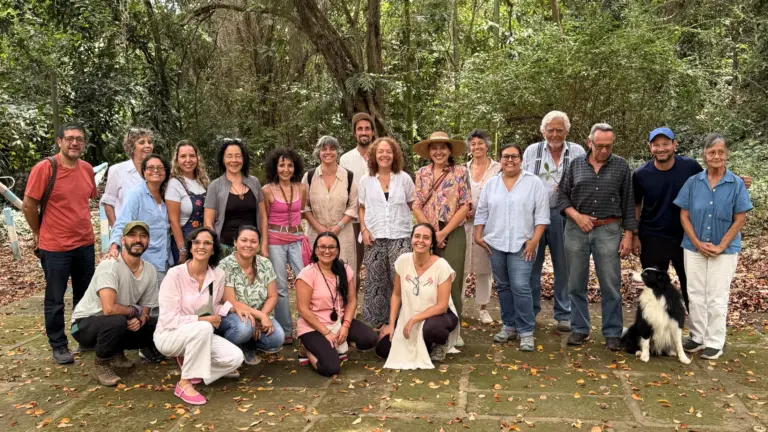
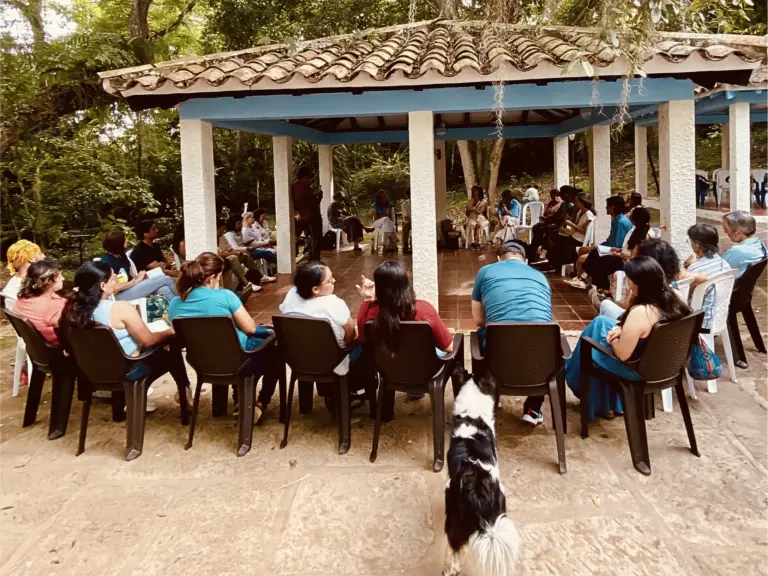
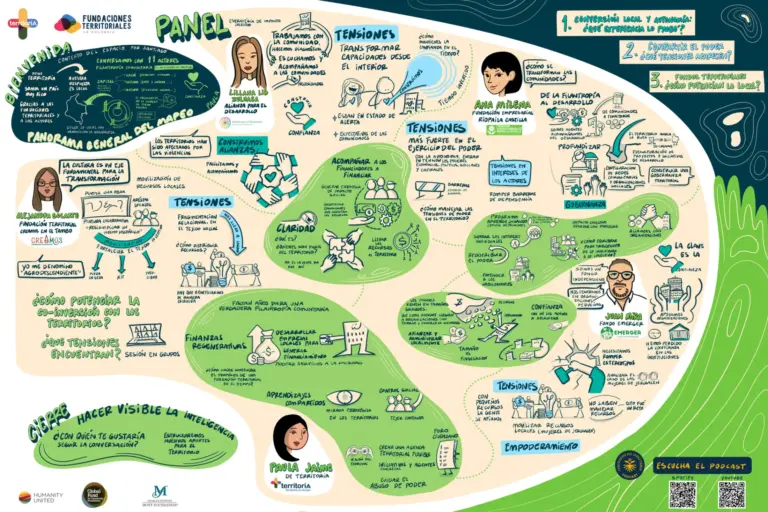
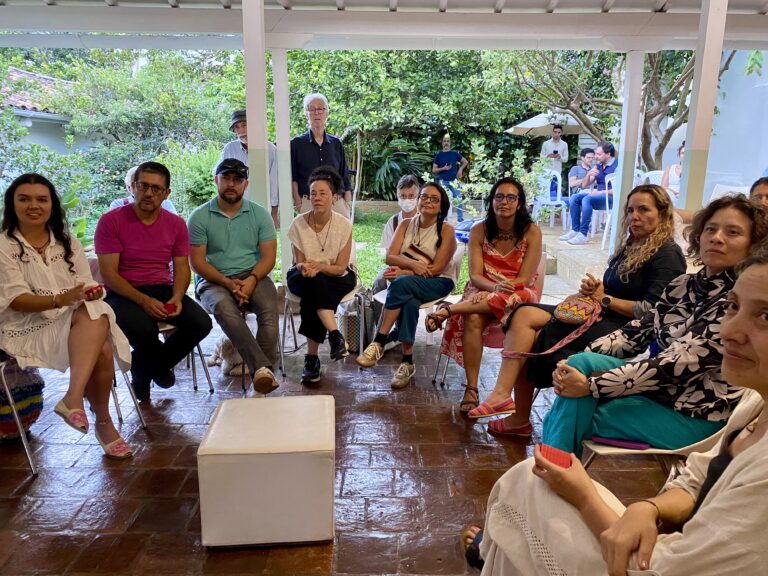
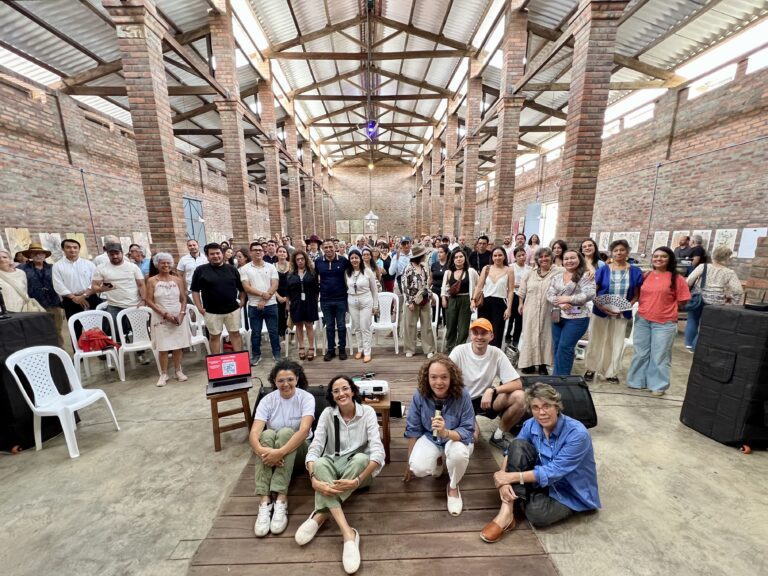
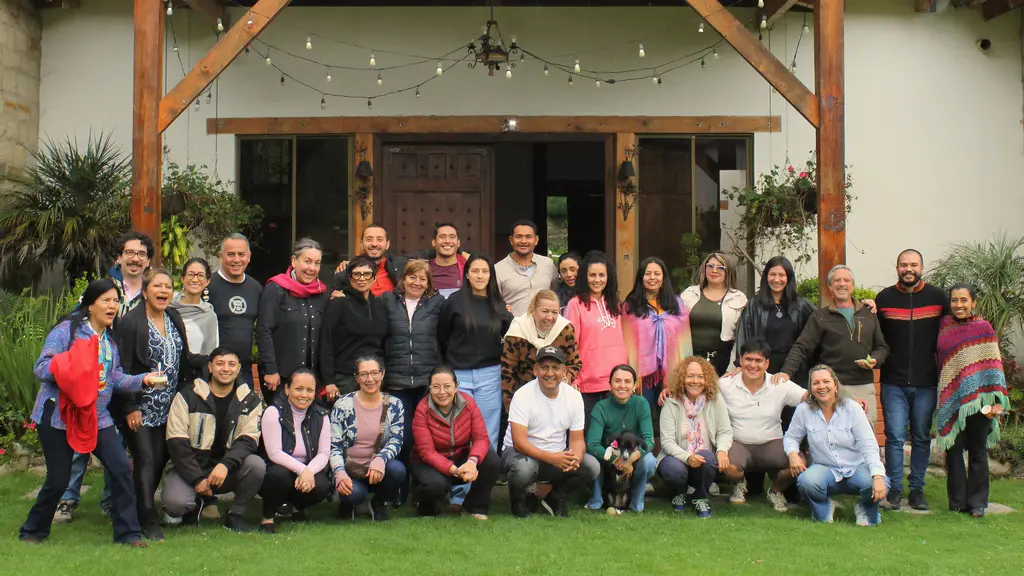
We already told you that on March 6th, at the National Meeting of Territorial Foundations held in Bogotá and El Rosal, the Northern Andean Bioregional Regeneration Fund was officially launched. However, we owed you more details about this powerful initiative, in whose development the Barichara Regenerative Foundation has played a key role, along with TerritoriA and other territorial foundations in the country.
This fund was designed to restore ecosystems, strengthen communities and generate autonomy in resource management, under two fundamental approaches: regenerative and bioregional.
Regenerating with Bioregions in mind
The regenerative approach seeks to maximize the health and vitality of ecosystems and human communities over time, understanding that each territory has its own ecological and cultural context, as well as unique potential. In this vision, human beings are not only mitigators of damage, but active agents in the evolution of territories, in reciprocal relationships with nature.
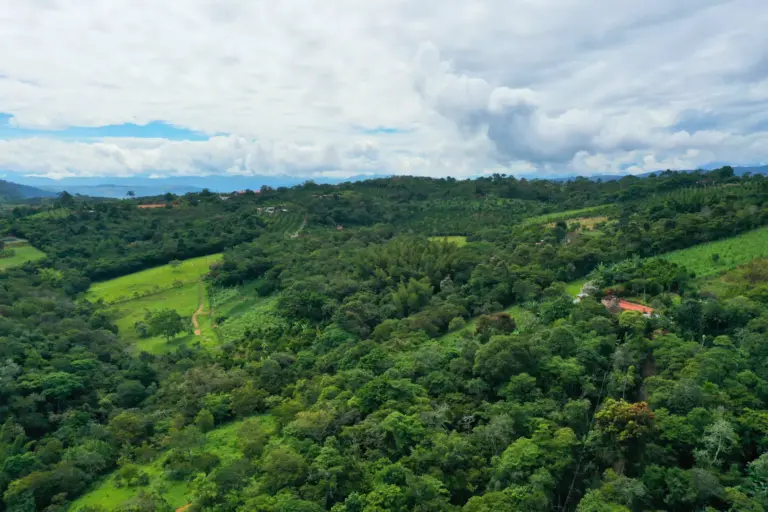
The bioregional approach, for its part, proposes planning territories based on living systems rather than political and administrative divisions. This fosters governance that arises from ecological connections. In the case of the Barichara Regenerative Foundation, this bioregion is defined—from a hydrological and climatic perspective—by the Fonce, Chicamocha, and Saravita river basins (Suárez).
Key areas for territorial regeneration
The fund works along four thematic lines: Environmental Regeneration, Regenerative Economy, Regenerative Education, and Regenerative Culture and Territorial Healing. From ecological restoration and integrated water management to strengthening community governance and protecting cultural memory, each line of action seeks to revitalize territories from their roots.
A local alliance with a local focus
This fund connects the local with the global by being made possible through the collaboration of strategic partners committed to community regeneration, such as The NoVo Foundation, Humanity United and CUSO International.
The allocated resources, which so far total USD 164,000, support regenerative initiatives, collective learning, and the creation of collaborative networks at the national level. This coordination of efforts among private, public, and social actors in the territories is key to building shared visions of regenerative development.
What's coming in 2025
This year, the fund will advance in allocating resources to the mapped initiatives, using mechanisms based on trust and flexibility. In addition, a funding campaign will be launched to increase available resources and thus benefit new territories in the process of joining. Another key step will be strengthening collaborative budgeting and participatory territorial planning, with the aim of consolidating the fund in the Northern Andean region and expanding its reach to other territories in the country. Finally, a monitoring, evaluation, and learning framework will be implemented, allowing for transparent reporting of the impact achieved and the use of resources, thereby fostering a process of continuous improvement and collective knowledge building.
The territorial and local approach
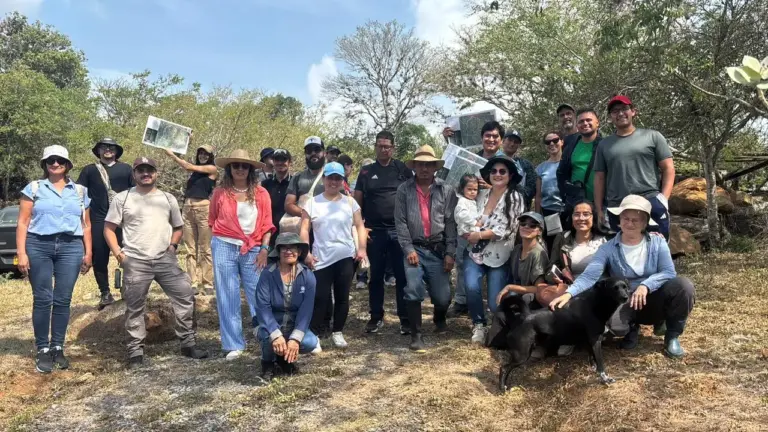
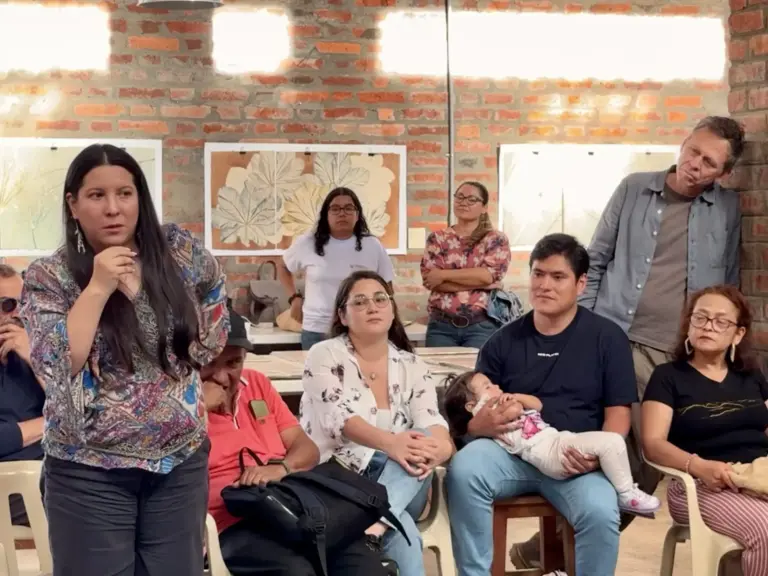
The heart of this fund lies in its territorial approach, which values the knowledge and decision-making capacity of local communities. Collaboration and collective participation are fundamental principles, with Territorial Foundations leading the way and defining priorities and investments. These kinds of partnerships strengthen our local processes, opening up a range of possibilities for new ways of inhabiting and caring for our territory, based on reciprocity and solidarity.
A beacon in times of crisis
In the context of an ecological and climate crisis, this initiative becomes much more than a source of funding; it is a beacon illuminating regenerative paths for our territories and inspiring others to join this urgent and necessary transformation. With a passion for life and a commitment to our land, we are sowing the seeds together for a more resilient and regenerative future for generations to come.